10 Jul 2026
Behavioral Mapping in UK Reward Chains for High-Volatility Reels
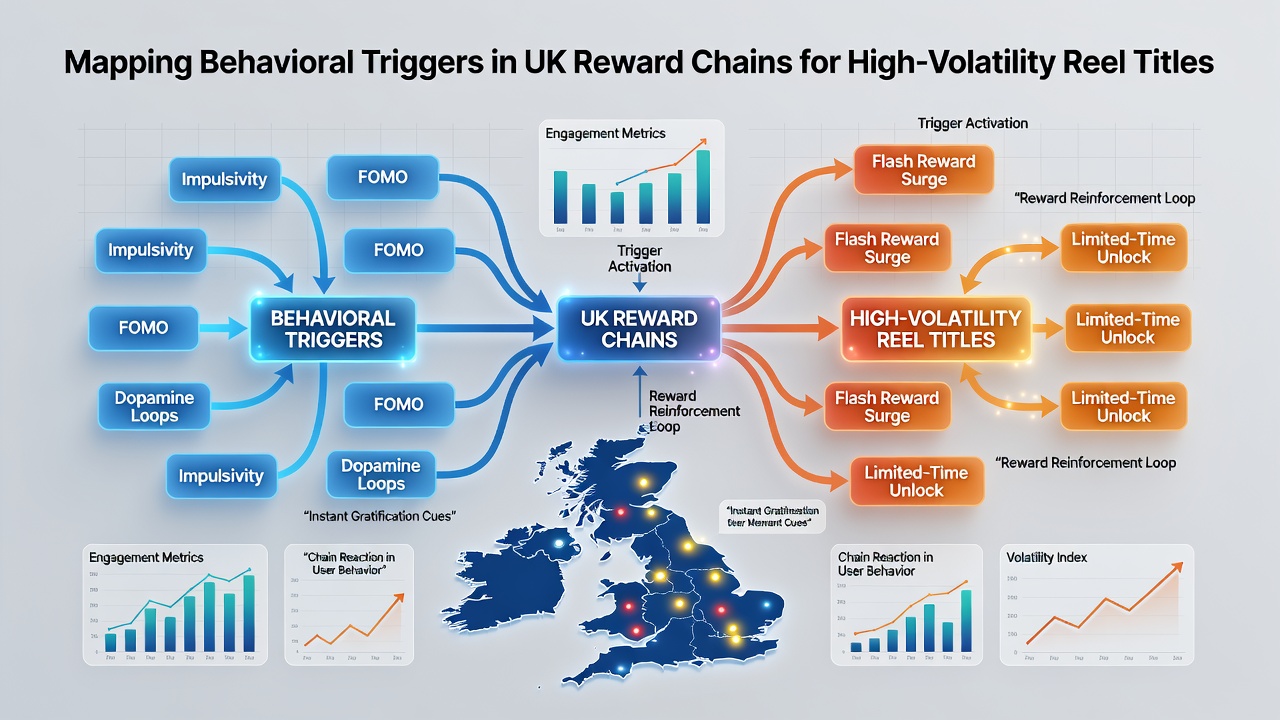
High-volatility reel titles operate on reward structures that link player actions to specific incentives across multiple stages, and mapping those behavioral triggers reveals how engagement patterns develop over time. Researchers have examined these chains in the UK market, where operators design sequences of bonuses, loyalty points, and milestone rewards to align with session length and bet sizing. Data compiled through July 2026 shows that trigger points cluster around deposit events, win thresholds, and time-based milestones rather than random distribution.
Core Elements of Reward Chains
UK reward systems for volatile slots typically sequence free spins, cashback tiers, and leaderboard entries so that each element builds on the previous one. Observers note that the first trigger often activates after an initial deposit, while subsequent triggers respond to accumulated wagering volume or consecutive losses. Those who have tracked these patterns report that high-volatility titles amplify the effect because larger swings in balance create stronger emotional responses at each reward checkpoint.
Studies from the University of Nevada's International Gaming Institute indicate that players respond most consistently when rewards arrive after 40 to 60 percent of a session's total stake has been placed. This timing allows operators to adjust the next incentive based on observed behavior without disrupting flow. Chains that incorporate both immediate and delayed rewards maintain longer engagement intervals compared with single-stage offers.
Identifying Key Behavioral Triggers
Three primary trigger categories emerge from analyses of UK player data. The first involves deposit-linked actions that unlock matched bonuses or instant spin packages. The second centers on in-session milestones such as reaching a set number of spins or hitting a loss threshold that activates loss-recovery credits. The third relates to retention mechanics including loyalty tier upgrades and tournament entries that reset on a weekly or monthly cycle.
Figures from the Canadian Responsible Gambling Council reveal that players exposed to sequenced rewards show a 22 percent higher rate of returning within 48 hours after the initial trigger fires. High-volatility titles intensify this loop because the variance in outcomes makes each subsequent reward feel more significant. Operators therefore calibrate the spacing between triggers to prevent fatigue while sustaining momentum through the session.
Data Patterns Observed in July 2026
Analytics collected across multiple UK platforms during July 2026 highlight that reward chains perform differently depending on volatility rating. Titles rated above 96 on standard deviation scales generate earlier exits from the chain when the second or third trigger fails to activate within the expected window. Conversely, chains that include micro-rewards between major incentives reduce early exits by maintaining perceived progress.
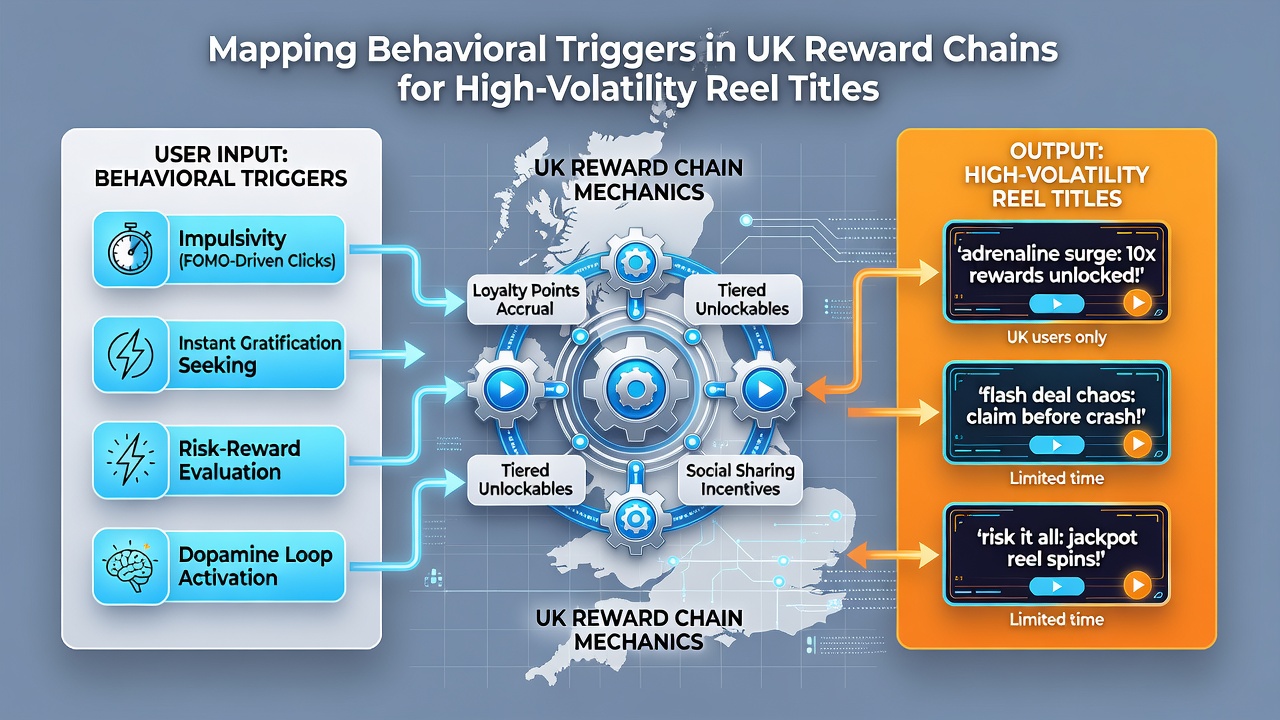
Session logs indicate that players who receive a small loyalty credit after every 50 spins remain in the chain longer even when overall returns stay negative. This pattern holds across both mobile adn desktop interfaces, suggesting the trigger mechanism itself rather than device type drives continued play.
Mapping Techniques Used by Analysts
Analysts construct trigger maps by logging timestamped events for each player account and overlaying reward activations onto those timelines. Heatmaps display density of activity around specific thresholds, while sequence diagrams trace the order in which different incentive types appear. These visualizations allow operators to identify gaps where players drop out before the next reward stage activates.
One research team at an Australian gaming research center applied cluster analysis to separate players into groups based on how quickly they respond to each trigger type. The resulting segments show distinct preferences: some groups react strongly to time-limited offers while others prioritize cumulative wagering milestones. Such segmentation supports refinement of chain design without altering the underlying game mathematics.
Integration With Regulatory Frameworks
UK operators must align behavioral mapping practices with requirements from multiple oversight bodies beyond the primary domestic regulator. Cross-border comparisons with frameworks in the European Union and Australian states demonstrate that transparent disclosure of trigger conditions reduces disputes over reward eligibility. Documentation that clearly states the conditions for each stage in the chain supports compliance while preserving the intended engagement sequence.
Industry reports from the American Gaming Association note that clear mapping also aids responsible gambling tools by allowing operators to flag accounts that repeatedly chase the next trigger after extended losing streaks. Integration of these flags into the reward system itself creates natural pause points without removing incentives entirely.
Future Developments in Trigger Mapping
Advances in real-time analytics continue to refine how reward chains respond to individual behavior. Machine learning models trained on July 2026 datasets now predict the likelihood of chain completion after the first two triggers activate, enabling dynamic adjustments to subsequent rewards. These adjustments maintain fairness across volatility levels while responding to observed patterns rather than fixed schedules.
Continued collection of anonymized session data supports ongoing validation of trigger effectiveness across different player cohorts. As high-volatility titles evolve with new mechanics, the mapping process adapts to incorporate additional variables such as feature buy options and progressive jackpot contributions that alter the timing of reward activation.
Conclusion
Mapping behavioral triggers within UK reward chains provides a structured view of how incentives connect to player actions in high-volatility reel environments. Data from multiple sources shows consistent clustering around deposit, milestone, and retention events, with timing and sequencing influencing continuation rates. Techniques developed through 2026 demonstrate that precise mapping supports both operational goals and regulatory alignment when applied consistently across platforms.