26 Jul 2026
Britain's Tiered Loyalty Structures: How Slot Titles Shape Recurring Incentive Chains for Mobile Users
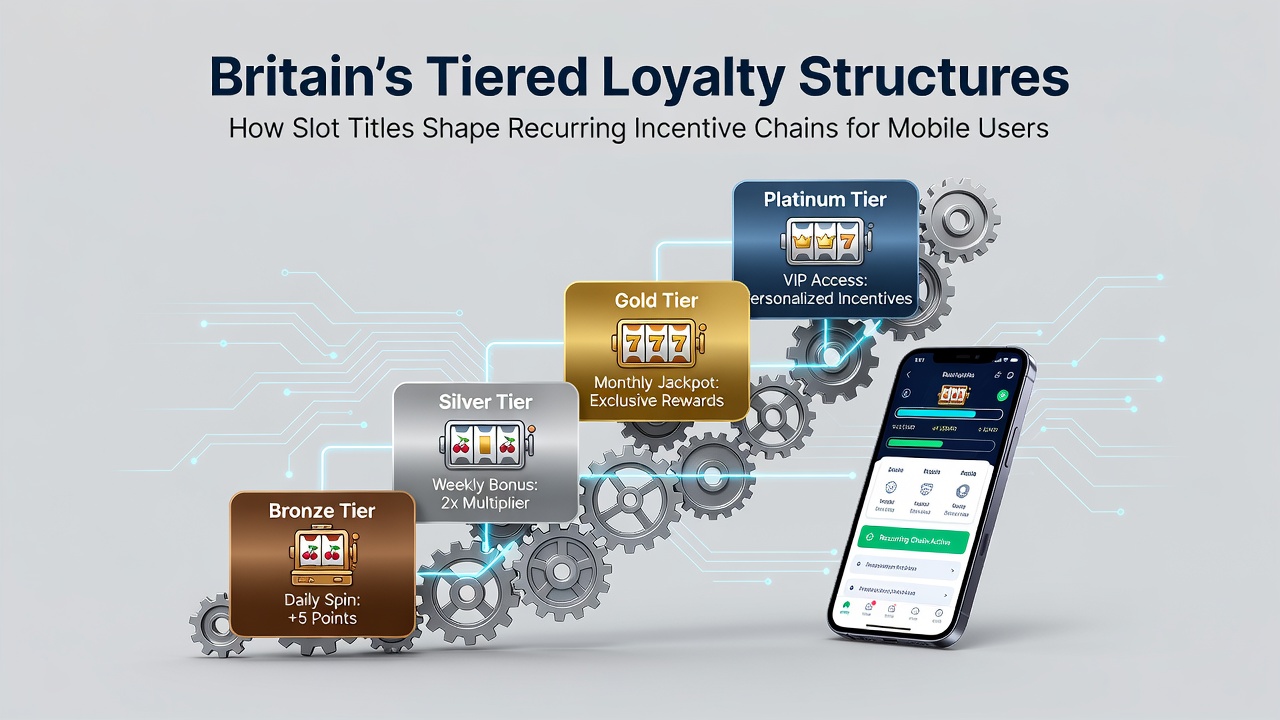
Britain's mobile slot ecosystem relies on tiered loyalty structures that convert gameplay into recurring incentive chains, and slot titles play a central role in determining how those chains activate and renew. Operators design these systems around metrics such as spin volume, bet size, and game volatility, which directly influence point accrual rates and tier advancement schedules. Data from industry monitoring services indicate that titles with medium to high volatility often accelerate progression through bronze, silver, and gold tiers because they generate larger win events that trigger bonus point multipliers.
Mechanics of Tier Advancement
Players accumulate loyalty points through consistent engagement with specific slot titles, and the rate of accumulation varies according to the mathematical profile of each game. Low-volatility titles produce steady point gains that support gradual tier climbs, whereas high-volatility options create burst opportunities that can push users into higher tiers within shorter timeframes. Observers note that many platforms recalibrate point values monthly, so a title that awarded 1.5 points per pound wagered in June 2026 may award 1.2 points in July 2026 depending on operator strategy.
Recurring incentive chains activate once a player reaches a new tier, unlocking reload offers, cashback percentages, and exclusive tournament entries that repeat on a weekly or monthly cycle. These chains remain active only while the player maintains minimum activity thresholds measured across selected slot titles. Research published by the Responsible Gambling Council shows that mobile users who concentrate play on three to five designated titles achieve tier renewal rates 23 percent higher than those who spread activity across broader libraries.
Slot Title Influence on Point Allocation
Each slot title carries an internal weighting that operators apply when calculating loyalty points, and this weighting reflects return-to-player percentages along with hit frequency data. Titles featuring cascading reels or expanding wilds frequently receive elevated multipliers because they extend session length and increase total wagered amounts. Mobile interfaces display these weightings indirectly through progress bars that update after each spin, allowing users to observe how different games contribute to their current tier position.
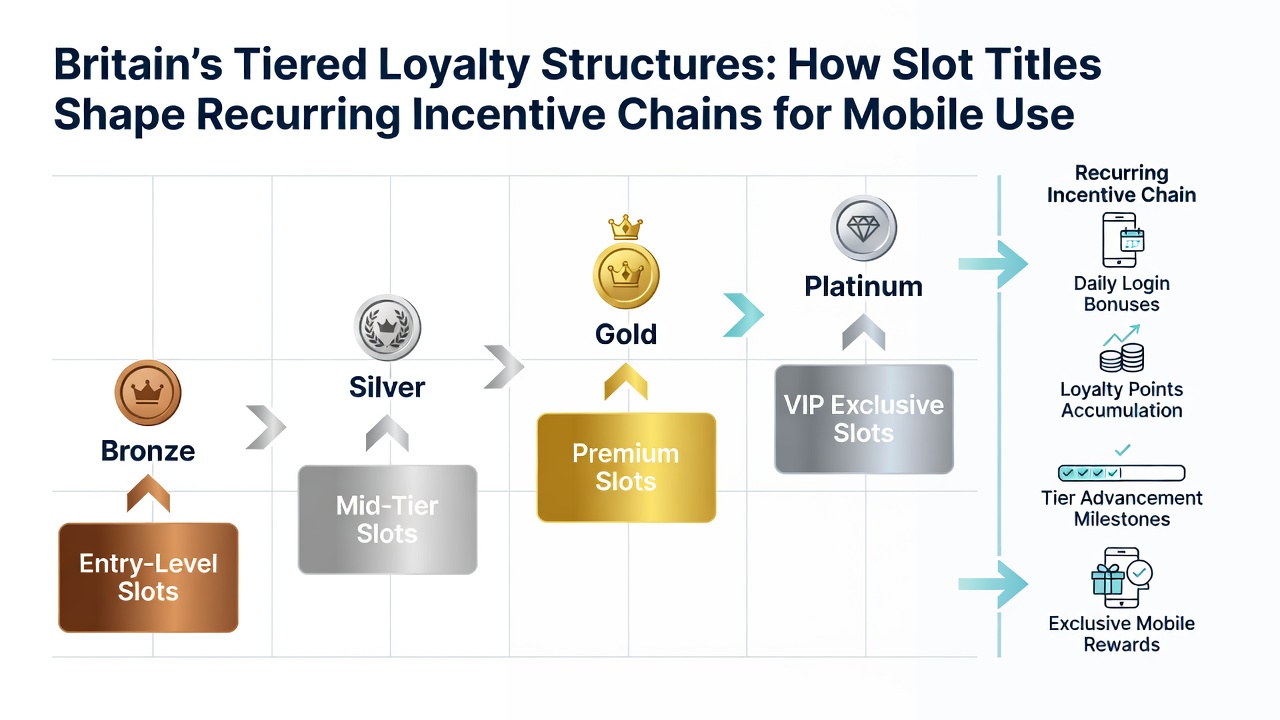
Operators monitor aggregate player behavior across thousands of accounts and adjust title-specific multipliers to balance promotional costs against retention goals. Figures released by the Australian Gaming Association reveal that similar tiered models in comparable markets produce renewal cycles averaging 18 days when players focus on high-weight titles. British platforms apply comparable logic, though exact formulas remain proprietary.
Mobile-Specific Design Elements
Mobile optimization affects how incentive chains function because touch interfaces enable faster spin sequences and immediate access to loyalty dashboards. Push notifications alert users when a title's point multiplier increases for a limited window, encouraging targeted play that advances tier status. Session tracking software records mobile-specific data such as screen time and network stability, which some operators incorporate into loyalty calculations to reward consistent engagement patterns.
July 2026 platform updates introduced new cross-title challenge systems that combine points from multiple games into composite chains, allowing users to unlock tier benefits through diversified play rather than single-title focus. These updates reflect broader industry shifts toward flexible incentive structures that accommodate varying player preferences while maintaining the core tier progression framework.
Renewal and Chain Continuity
Recurring incentives continue only when players meet ongoing activity requirements tied to their current tier, and slot title selection determines how easily those requirements are satisfied. Titles with frequent bonus rounds help maintain momentum because each feature activation contributes additional points toward the next renewal threshold. Platform analytics indicate that users who rotate between two high-weight titles sustain longer chain durations than those who switch titles daily.
Operators publish monthly leaderboards that rank players by points earned from specific slot categories, and top positions often receive temporary multiplier boosts that further accelerate tier movement. These leaderboards create secondary incentive layers that interact with primary loyalty structures, extending the overall chain duration for active participants.
Conclusion
Britain's tiered loyalty structures operate through interconnected point systems that respond directly to the characteristics of chosen slot titles, producing recurring incentive chains shaped by volatility, hit frequency, and operator weighting. Mobile users navigate these systems by aligning their game selection with published multipliers and renewal thresholds, while platform data from mid-2026 shows continued refinement of these mechanics to balance retention outcomes with operational costs. The relationship between slot titles and loyalty progression remains a core element of mobile casino design across the British market.