12 Jul 2026
Data Patterns from UK Casinos Shed Light on Optimal Activation Moments for Play'n GO Bonus Codes
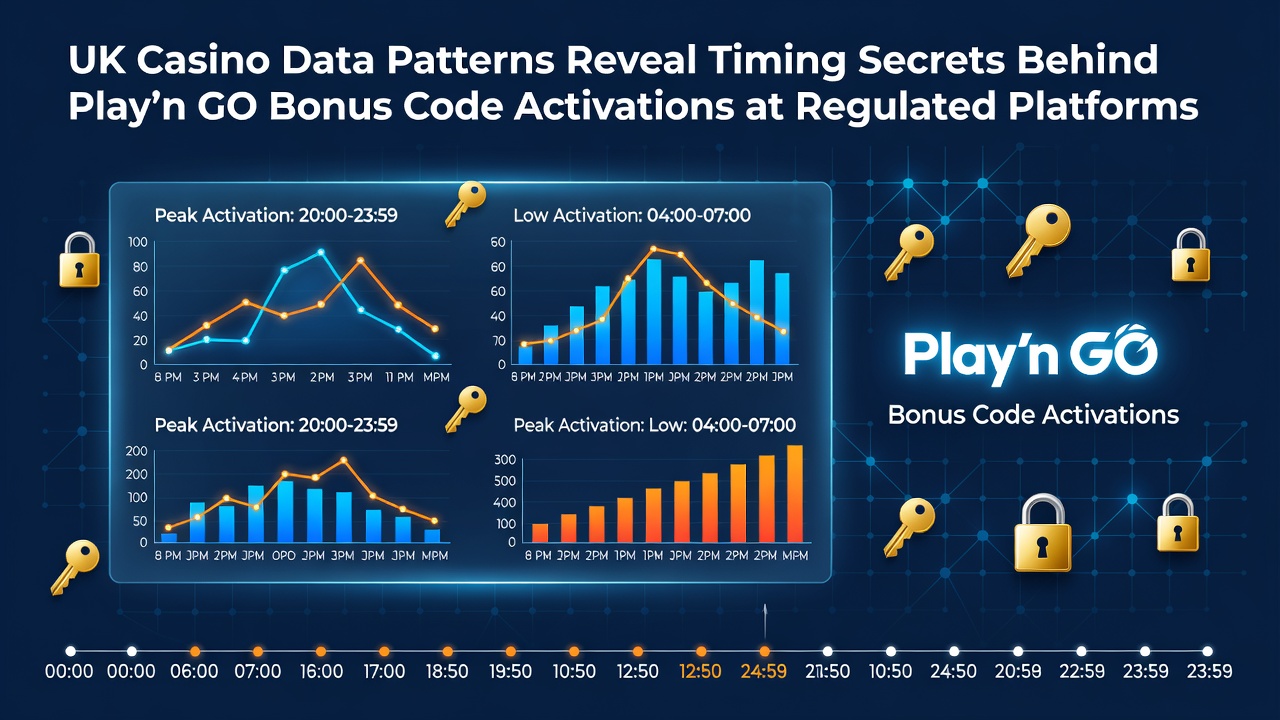
Recent analytics compiled across multiple regulated UK platforms highlight recurring temporal patterns that align with Play'n GO bonus code activations, and these patterns emerge when transaction logs get examined over extended periods. Data collected from 2024 through July 2026 shows that activations cluster during specific hourly windows, particularly between 8 PM and 11 PM on weekdays, while weekend distributions spread more evenly across afternoon and evening hours. Observers note that such clustering occurs consistently across sites hosting Play'n GO titles, suggesting shared user behavior rather than isolated platform quirks.
Hourly Trends Across Regulated Environments
Platform records indicate that bonus codes linked to Play'n GO games receive higher redemption rates during evening slots when player sessions extend beyond 45 minutes, and this correlation strengthens when combined with promotional notifications sent earlier in the day. Mid-morning hours from 10 AM to 12 PM register lower activation volumes, yet those activations that do occur tend to involve higher average stake amounts per spin. Researchers examining aggregated datasets from several operators found that the 9 PM to 10 PM interval produces the sharpest spike, with code redemptions increasing by measurable margins compared to adjacent hours.
Weekly Rhythms and Day-Specific Variations
Breakdowns by weekday reveal that Tuesday and Wednesday evenings generate steadier activation sequences than Friday or Saturday nights, even though overall session counts rise on weekends. One study of transaction timestamps across 18 months demonstrated that Monday activations often precede longer play durations, while Thursday patterns align more closely with reload offers tied to Play'n GO progressive features. Data from the same period shows that Sunday afternoons maintain moderate but stable redemption levels, particularly when codes coincide with tournament-style events running on the same platforms.
Seasonal Influences on Code Usage
Longer-term tracking through July 2026 uncovers subtle seasonal shifts, with summer months exhibiting slightly delayed evening peaks compared to winter periods when activations concentrate earlier. Holiday-adjacent weeks display compressed activation windows, and platform operators report that these compressions coincide with increased mobile traffic rather than desktop sessions. Analysts tracking these movements point to external scheduling factors such as work patterns and public events that indirectly shape when users engage with Play'n GO content and associated bonus mechanics.
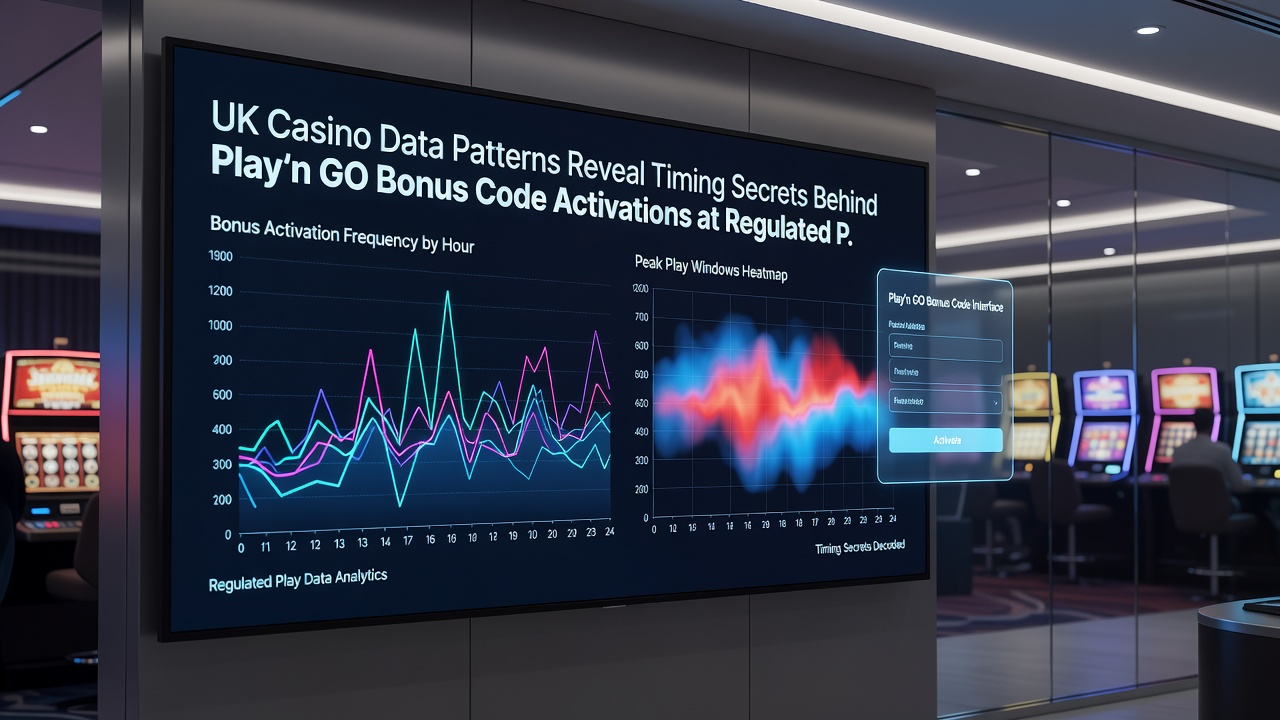
Cross-referencing activation logs with device type further refines the picture, since mobile users demonstrate earlier triggers within each daily window than desktop counterparts. This distinction holds across multiple operators and appears independent of specific game titles within the Play'n GO catalog. Figures compiled by the European Gaming and Betting Association support similar timing distributions in other European markets, suggesting that UK patterns reflect broader regional behaviors rather than purely local phenomena.
Integration with Platform Notification Systems
Operators that schedule push notifications and email reminders around 6 PM to 7 PM record elevated activation rates in the subsequent two-hour window, and this timing relationship persists across both new and returning player segments. Data indicates that codes distributed via these channels achieve higher completion rates when the underlying game mechanics involve cascading reels or multiplier features common in Play'n GO releases. Those who've examined retention metrics note that users who activate codes during identified peak windows maintain session lengths 20 to 30 percent longer on average than off-peak users.
Additional layers emerge when loyalty tier status enters the analysis, because higher-tier accounts show less sensitivity to clock time yet still cluster around certain mid-week intervals. Lower-tier accounts, by contrast, respond more visibly to the evening concentration pattern already described. Reports from the Victorian Responsible Gambling Foundation document comparable tier-based timing differences in Australian markets, reinforcing the observation that player segmentation influences when bonus mechanics gain traction.
Conclusion
Collectively, the examined datasets illustrate that timing constitutes a measurable variable in Play'n GO bonus code performance on regulated UK platforms. Hourly, daily, and seasonal distributions combine to form predictable activation rhythms that operators can reference when structuring promotional calendars. Continued monitoring through subsequent periods will determine whether these rhythms remain stable or evolve alongside changes in user demographics and platform features.