2 Aug 2026
Decoding Loyalty Tier Mechanics That Shape Slot Engagement Patterns at UK Digital Platforms
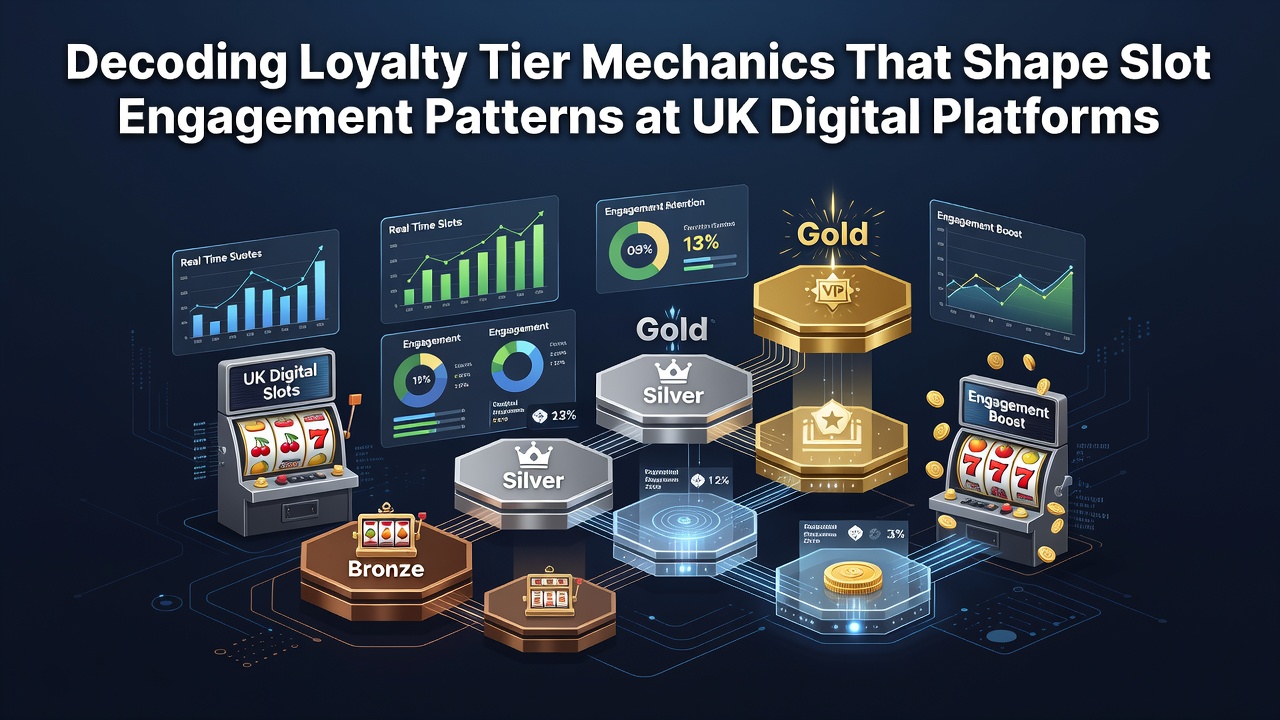
UK digital slot platforms have refined loyalty tier systems over recent years, and these structures now guide how players interact with games through points accumulation, level advancement, and tier-specific rewards. Players earn points primarily through wagering activity, with each bet contributing to progression across tiers that range from entry-level bronze to premium platinum designations. Research from the Australian Gambling Research Centre indicates that structured reward layers correlate with measurable shifts in session length and frequency, particularly when platforms update their mechanics to reflect seasonal engagement data as seen in August 2026 reports.
Core Components of Tier Progression
Tier systems operate on a points-based model where wagers convert into loyalty credits at rates that vary by platform, and higher tiers unlock accelerated earning multipliers along with access to exclusive features. Observers note that bronze participants typically receive standard cashback percentages while silver and gold members gain additional free spin allocations and personalized tournament entries, whereas platinum users access dedicated account managers and reduced withdrawal thresholds. These mechanics create a feedback loop because increased play directly fuels further advancement, and data from industry analyses show that players who reach mid-tier status often extend their average session durations by notable margins.
Engagement Shifts Across Player Segments
Engagement patterns evolve as individuals climb tiers, with initial participants focusing on volume-driven accumulation while established members adjust strategies toward higher-stake sessions that maximize multiplier benefits. Studies compiled by the Canadian Centre on Substance Use and Addiction highlight how tier thresholds influence betting intensity, particularly when platforms introduce time-limited challenges that reward consistent activity during peak periods like those observed in August 2026. Players in upper tiers demonstrate greater retention rates because the perceived value of ongoing rewards offsets routine variance in outcomes, and platforms track these behaviors through anonymized metrics that reveal correlations between tier status and weekly login consistency.
What's notable is the way loyalty layers intersect with game selection, since many platforms weight points differently across titles to steer traffic toward specific slots. This approach results in concentrated play on designated games, and external reports from the European Gaming and Betting Association document how such weighting contributes to diversified engagement across user bases without uniform distribution.
Data Patterns Emerging in 2026
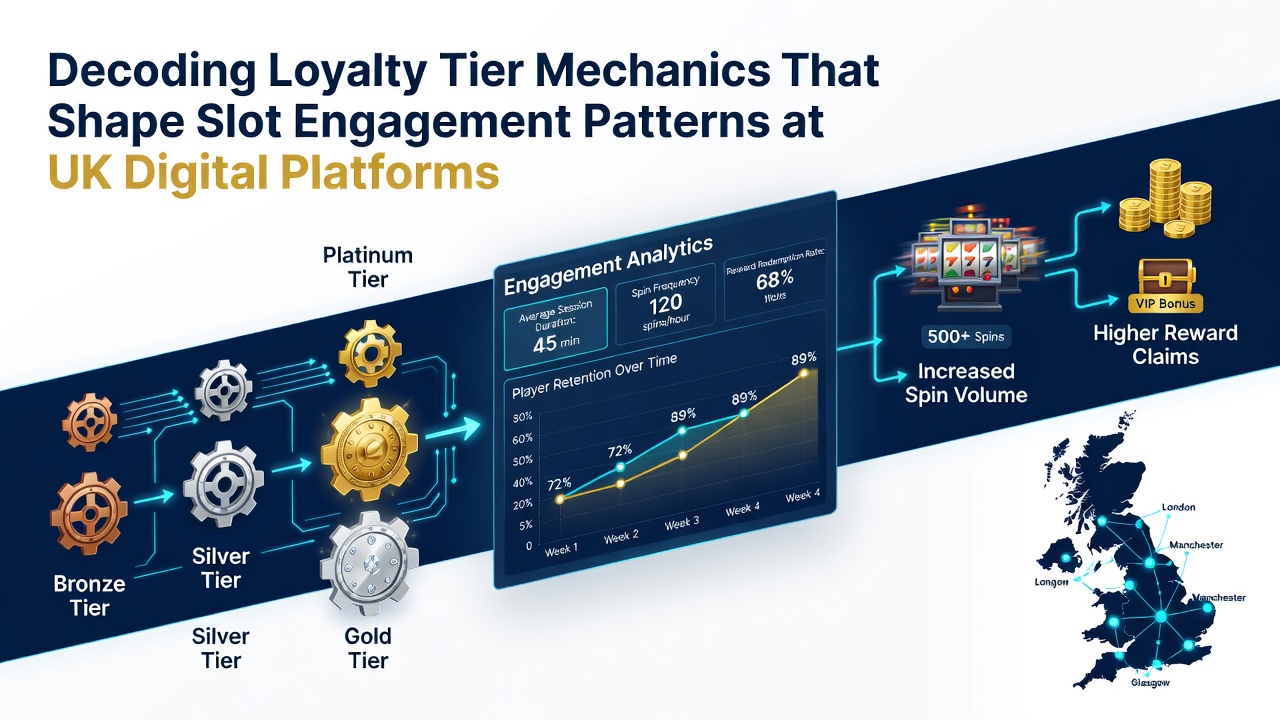
August 2026 updates across several UK platforms introduced refined tier reset cycles and bonus accrual windows, which altered traditional yearly progressions into quarterly evaluations that maintain momentum. Figures from these adjustments reveal that participants who maintain activity across multiple evaluation periods sustain higher overall engagement compared to those who experience resets without carryover benefits. Researchers tracking these changes observe that the introduction of hybrid tiers, combining spend and time-based criteria, has produced steadier participation curves rather than sharp spikes followed by drops.
Platforms continue to layer additional incentives such as milestone celebrations and tier-exclusive leaderboards, and these elements compound the core mechanics by fostering competitive dynamics within segments. Those who have examined longitudinal player data note that platinum-level engagement often stabilizes at consistent high-volume patterns because the cumulative rewards justify sustained investment, whereas lower tiers show more variable movement tied to promotional triggers.
Retention and Behavioral Correlations
Retention metrics improve when tier benefits align closely with player preferences, such as offering game-specific bonuses that encourage exploration within a platform's library. Evidence from cross-regional comparisons suggests that UK implementations mirror successful models elsewhere, where tier visibility through dashboards and progress trackers reinforces continued participation. The mechanics function through clear thresholds that players can monitor in real time, and this transparency supports predictable advancement paths that reduce uncertainty around reward attainment.
Observers have documented that seasonal events in August 2026 prompted temporary tier accelerators, which temporarily boosted mid-tier transitions and produced follow-on effects in subsequent months. These interventions demonstrate how external timing influences internal loyalty dynamics without altering the fundamental points-to-tier conversion rules.
Conclusion
Loyalty tier mechanics at UK digital slot platforms function as interconnected systems that link wagering behavior directly to reward access, and the resulting engagement patterns reflect both structural incentives and individual progression trajectories. Data gathered through 2026 continues to illustrate how tier advancement sustains activity levels across diverse player groups, with mechanics evolving to balance accessibility at lower levels against exclusivity at higher ones. These frameworks remain central to platform strategies for maintaining consistent interaction, and their ongoing refinements indicate persistent attention to measurable behavioral outcomes.