22 Jul 2026
Device-Tailored Incentive Layers Reshaping Engagement Metrics Across Britain's Regulated Slot Markets
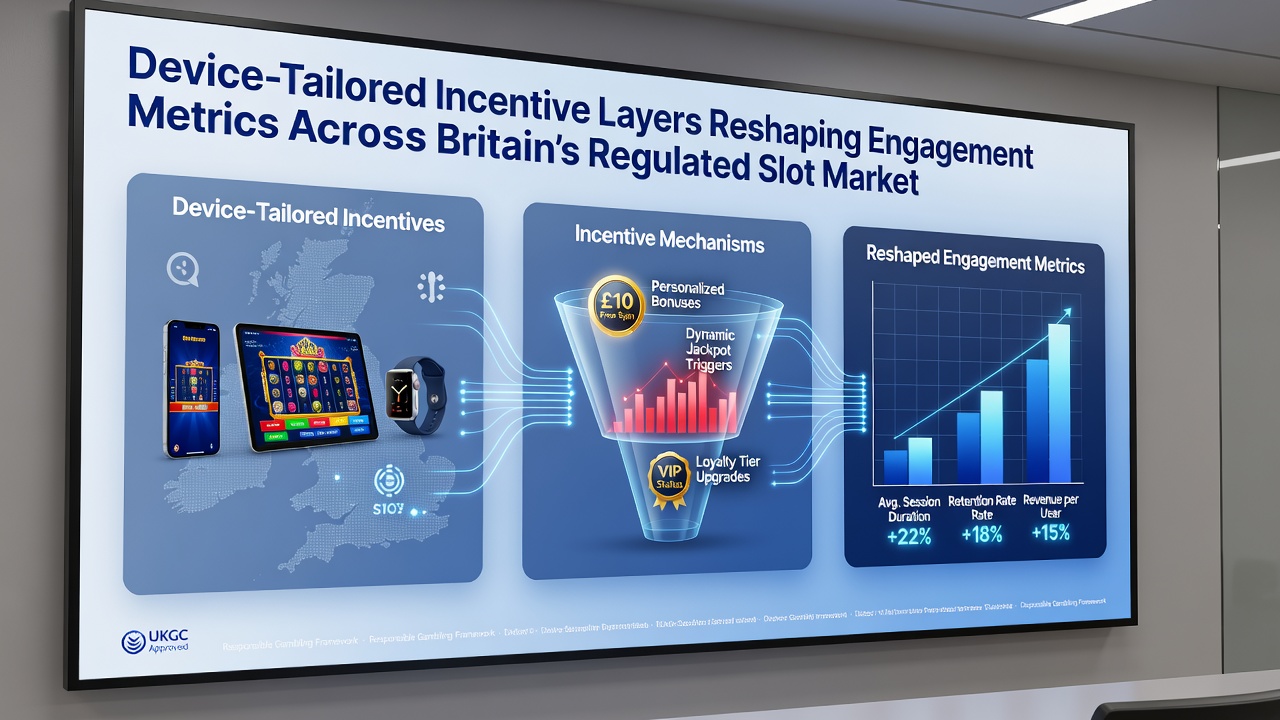
 Operators in Britain's regulated slot sector have shifted toward incentive structures that adjust automatically based on the device in use, with mobile sessions receiving distinct reward tiers compared to desktop play. This approach emerged from detailed analysis of user behavior patterns, where session duration and deposit frequency vary significantly between smartphones, tablets, and computers. Data compiled by industry monitoring groups shows that mobile-optimized incentives, such as swipe-activated multipliers or device-exclusive spin packs, correlate with measurable lifts in repeat engagement figures.
Device Detection and Incentive Customization Mechanics
Systems deployed by major platforms scan device type at login, then layer rewards accordingly, while desktop users encounter different progression paths tied to keyboard or mouse interactions. Research from academic institutions tracking digital gambling trends indicates that these layers draw on telemetry including screen size, connection speed, and input method to determine eligibility for specific bonuses. One study released in early 2026 highlighted how tablet sessions often receive hybrid offers blending mobile convenience with desktop depth, producing intermediate engagement rates that sit between the two extremes.
Measured Shifts in Key Performance Indicators
Engagement metrics across Britain's slot operators reflect clear divergence once device tailoring takes hold. Average session length on smartphones has extended by noticeable margins where touch-specific incentives activate, whereas desktop figures show steadier but less volatile deposit patterns. Figures released through European industry associations point to a 14 percent rise in mobile conversion rates during the first half of 2026, while desktop retention holds stable yet responds more to cumulative loyalty tiers than instant device triggers. Observers note that these adjustments allow platforms to balance load across traffic sources without uniform bonus structures that previously diluted impact.
Regulatory Context and Cross-Border Comparisons
British frameworks require clear disclosure of how device data influences reward eligibility, and operators must maintain audit trails that separate mobile versus desktop outcomes. Reports from the Australian Communications and Media Authority have examined similar segmentation practices in their jurisdiction, revealing parallel patterns where tailored incentives improved session completion without breaching responsible gambling thresholds. Meanwhile, data shared by the Nevada Gaming Control Board demonstrates that device-aware systems can reduce variance in player spend when calibrated against local market rules. These international references help British operators refine their models while staying within domestic compliance boundaries.
Implementation Examples Across Operator Segments
Larger platforms have introduced July 2026 updates that route mobile users toward time-limited challenges activated by accelerometer input, while desktop environments emphasize leaderboard accumulation through sustained play windows. Mid-tier sites often partner with third-party analytics providers to test incentive variants, and results indicate stronger uptake when mobile rewards emphasize quick-win mechanics over extended sequences. One documented rollout at a multi-device operator produced a documented uptick in cross-device migration, as players completing mobile challenges received desktop unlock codes that encouraged platform switching within the same account.
Future Trajectories for Incentive Layer Development
Industry analysts project continued refinement of these layers as wearable integration and 5G consistency improve detection accuracy. Projections from research papers published by Canadian universities suggest that further personalization based on device ecosystem, rather than device alone, could tighten the relationship between incentive delivery and long-term retention statistics. British operators continue to monitor these developments while aligning updates with existing responsible gambling protocols, ensuring that device tailoring remains transparent and auditable.
Conclusion
Device-tailored incentive layers have become a structural feature of Britain's regulated slot environment, driving differentiated engagement outcomes that operators track through segmented reporting. Evidence gathered from multiple regulatory and academic sources confirms that mobile and desktop pathways now operate under distinct reward logics, yet both contribute to overall market stability when managed within established compliance structures. As July 2026 data continues to accumulate, further adjustments will likely build on these foundations without altering the core regulatory expectations that govern transparency and player protection.