20 May 2026
Layered Incentives: How Free Spin and Cashback Combinations Shape UK Mobile Gaming Habits
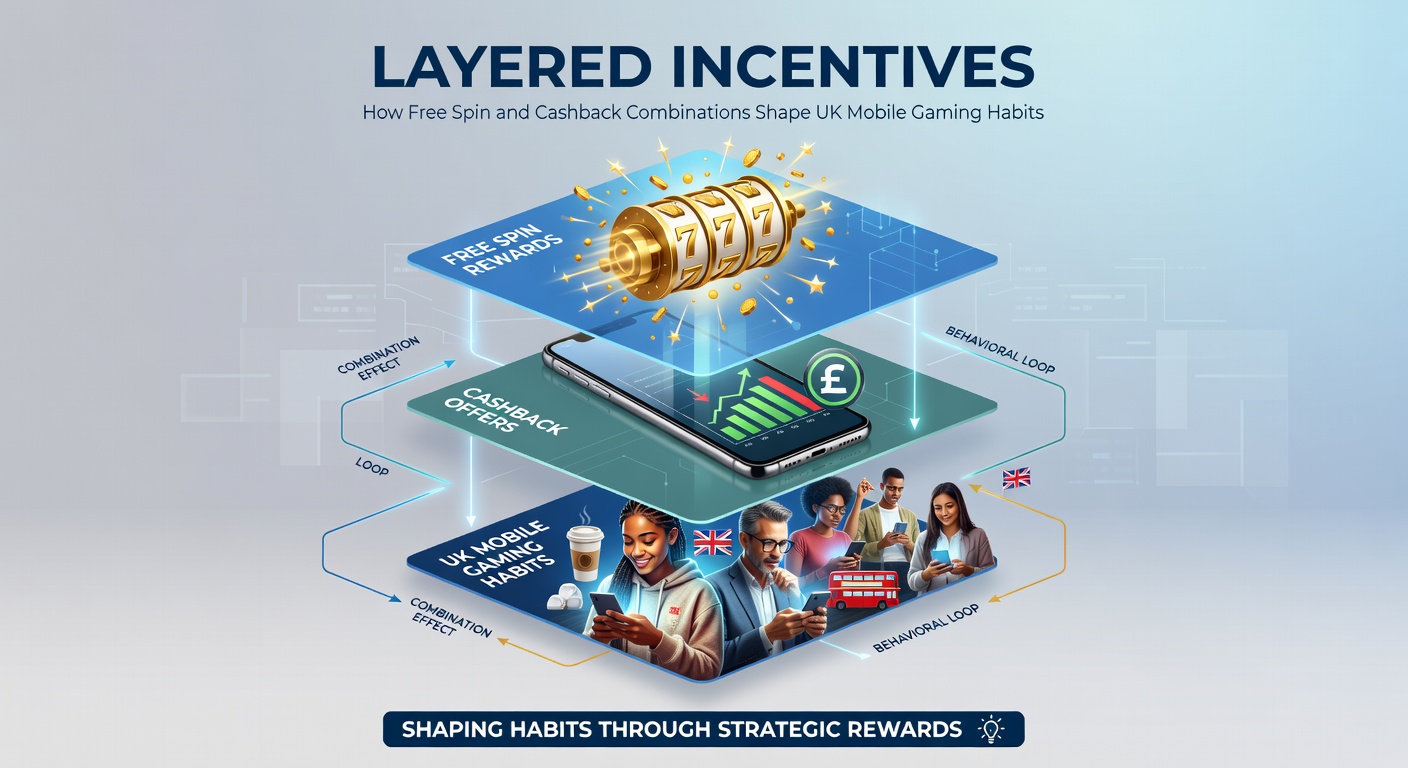
Layered incentive models that pair free spins with cashback percentages have become a defining feature of UK mobile gaming platforms, particularly in the slot sector, where operators structure rewards to maintain consistent user activity across devices. These combinations allow players to receive initial spins on selected titles while also recovering a portion of losses over defined periods, which in turn influences how frequently individuals open apps and extend their sessions on the go.
Mechanics Behind Combined Reward Structures
Free spins typically activate upon deposit or login streaks, granting a fixed number of plays on designated Play'n Go titles or similar games, whereas cashback applies automatically to net losses within a weekly window and credits back as bonus funds or real money depending on the site terms. When operators merge the two, players encounter multiple entry points that reduce the immediate financial threshold for participation, since an early string of free spins can offset potential early losses before cashback calculations begin.
Research from the Victorian Responsible Gambling Foundation indicates that such dual-layer offers correlate with higher repeat login rates, as users return both to utilise remaining spins and to track accumulated cashback progress through mobile dashboards. The structure creates a feedback loop where short-term play opportunities feed into longer-term recovery mechanisms, keeping accounts active even after initial sessions conclude.
Observed Shifts in Mobile Session Patterns
Data collected across several UK-facing platforms shows that players who engage with these layered offers tend to log in during commute windows and short breaks rather than committing to extended desktop sessions. Mobile interfaces make it simple to claim spins with one tap and monitor cashback balances in real time, which encourages micro-sessions that accumulate over a day or week. Industry figures reveal average session length has increased modestly in categories where cashback thresholds reset daily, prompting users to check in more often to stay within optimal loss-recovery bands.
Observers note that the portability of smartphones amplifies this effect, since notifications about remaining spins or nearing cashback milestones arrive directly on personal devices and prompt quick returns without requiring users to sit at a computer. This pattern appears especially pronounced among users aged 25 to 44, a demographic that already favours mobile access for quick entertainment during fragmented daily schedules.
Trends Emerging in Spring 2026 Campaigns
Into May 2026, several major operators have extended layered promotions that combine 50–100 free spins with tiered cashback rates ranging from 10 to 25 percent, timed around new Play'n Go releases and seasonal events. These campaigns often include mobile-only qualifiers, such as additional spins awarded after three consecutive days of app activity, which further embed the habit of daily check-ins. Reports from the American Gaming Association highlight that jurisdictions with similar incentive layering see sustained mobile traffic growth, suggesting UK platforms may experience parallel upticks as these offers mature through the summer months.
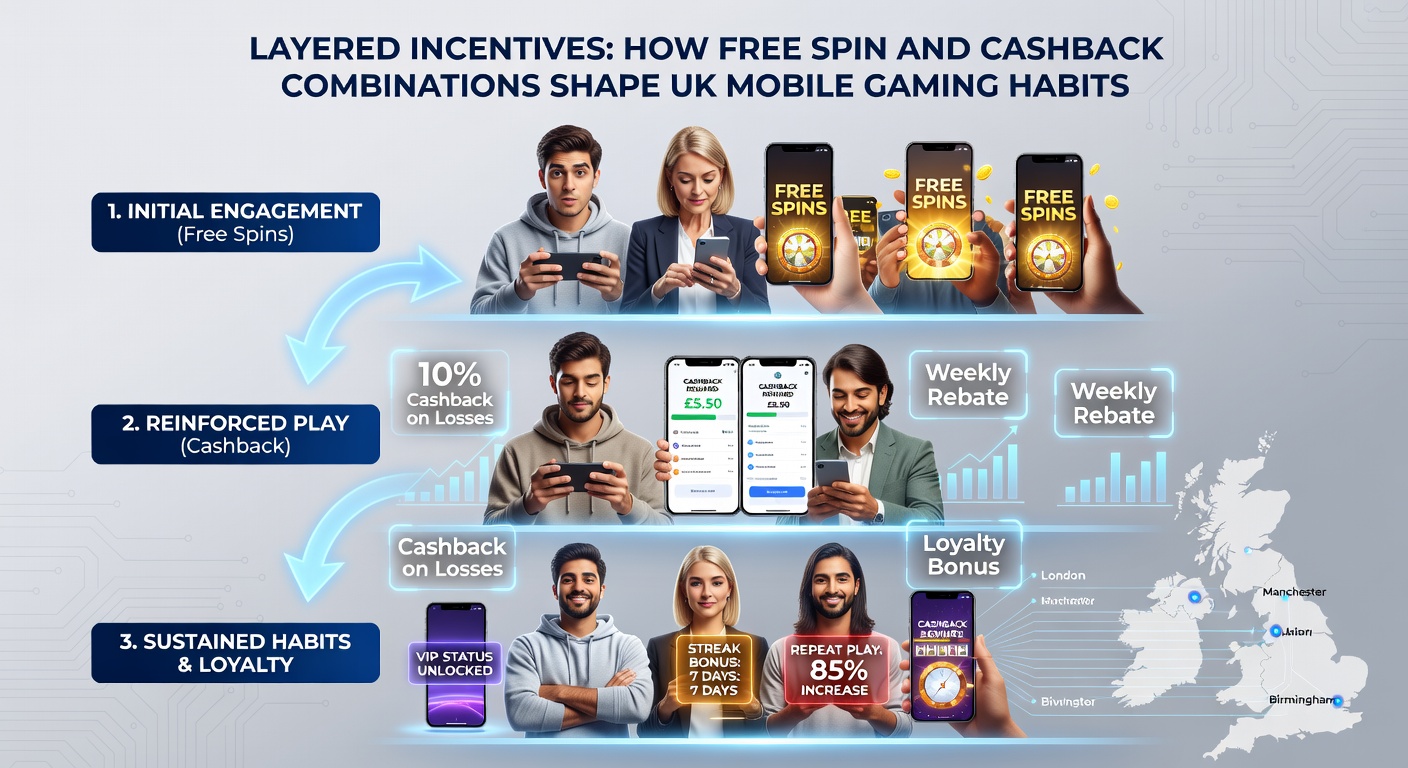
What's interesting is how these structures interact with responsible play tools. Many sites now embed spending caps and reality-check reminders directly into the same interface that displays cashback progress, allowing players to adjust limits without leaving the app. This integration keeps the incentive system visible while still providing users with controls that can moderate extended play periods.
Habit Formation and Retention Dynamics
Longer-term data indicates that players introduced to layered offers early in their account lifecycle demonstrate stronger retention curves over six-month windows compared with those who receive single-type bonuses. The combination appears to satisfy both novelty-seeking behaviour through fresh spins and risk-mitigation preferences through cashback, creating a balanced psychological pull that keeps accounts funded and active. Researchers at various academic institutions have documented similar patterns in other regulated markets, where dual-mechanism rewards reduce early churn by distributing value across both winning and losing outcomes.
Yet the same mechanisms can also concentrate activity around specific titles that qualify for the promotions, leading to narrower game exploration unless operators rotate eligible games frequently. Platforms that refresh their free-spin line-ups weekly while maintaining consistent cashback terms tend to sustain broader title engagement, according to aggregated platform analytics shared in industry briefings.
Conclusion
Layered free-spin and cashback systems continue to influence how UK players structure their mobile gaming routines, with observable effects on session frequency, device preference, and reward-tracking behaviour. As operators refine these offers through 2026, the interplay between immediate play opportunities and loss-recovery credits remains central to retention strategies across the sector. Monitoring these patterns provides ongoing insight into how incentive design shapes everyday habits in a mobile-first environment.