26 Jun 2026
Optimizing Off-Peak Play: Notification Triggers and Layered Spin Incentives for UK App Users
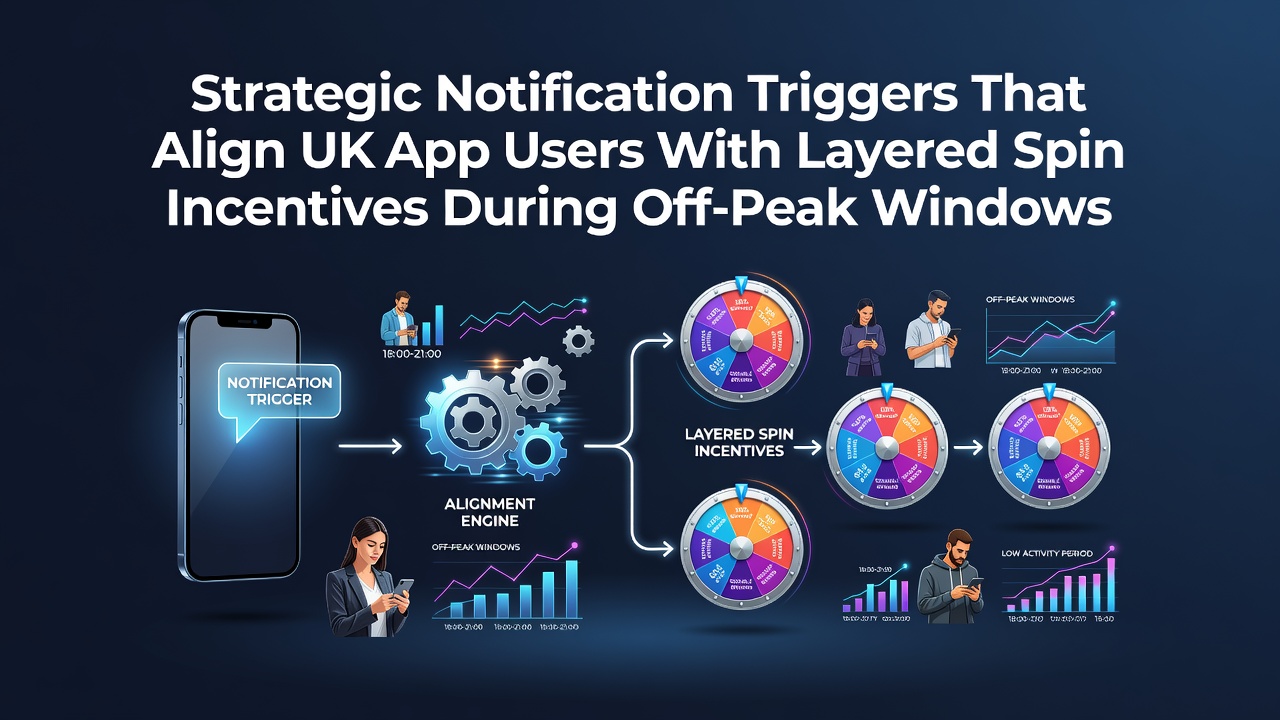
UK mobile casino applications have developed systems that send targeted push notifications during off-peak windows, typically between 2 a.m. and 6 a.m., to connect users with layered spin incentives that build upon initial offers through additional free spins or multiplier stages. These triggers rely on user behavior data such as previous login times and session lengths, allowing platforms to time alerts that prompt engagement when overall traffic drops.
Operators collect anonymized metrics from app interactions to identify patterns where users respond positively to messages that reference accumulated play history, and this approach creates pathways where a base incentive can expand into secondary rewards if the user completes a set number of spins within the notified window. Research from the International Center for Responsible Gaming shows that timed interventions in digital gaming environments correlate with shifts in activity distribution across 24-hour cycles.
Mechanics of Timed Notification Systems
Notification engines in these applications activate based on predefined parameters that include device location signals and historical engagement rates, sending alerts that highlight specific layered structures such as an initial 20 spins followed by progressive additions tied to continued play. The systems avoid uniform delivery schedules and instead segment audiences into cohorts that receive variations calibrated to their past responses during similar quiet hours.
Developers integrate these triggers with backend analytics that monitor real-time server loads, enabling adjustments that align incentive layers with periods when fewer simultaneous users compete for the same reward pools. According to data compiled by the Canadian Gaming Association, mobile gaming platforms in regulated markets have recorded measurable increases in session starts following precision-timed communications that reference off-peak opportunities.
Layered Incentive Structures in Practice
Layered incentives typically begin with a core allocation of spins accessible through a notification link, then expand through conditional stages where users unlock further rewards by meeting thresholds like total wager amounts or consecutive wins. This structure encourages sustained interaction within the off-peak frame, as each completed layer feeds into the next without requiring separate claims.
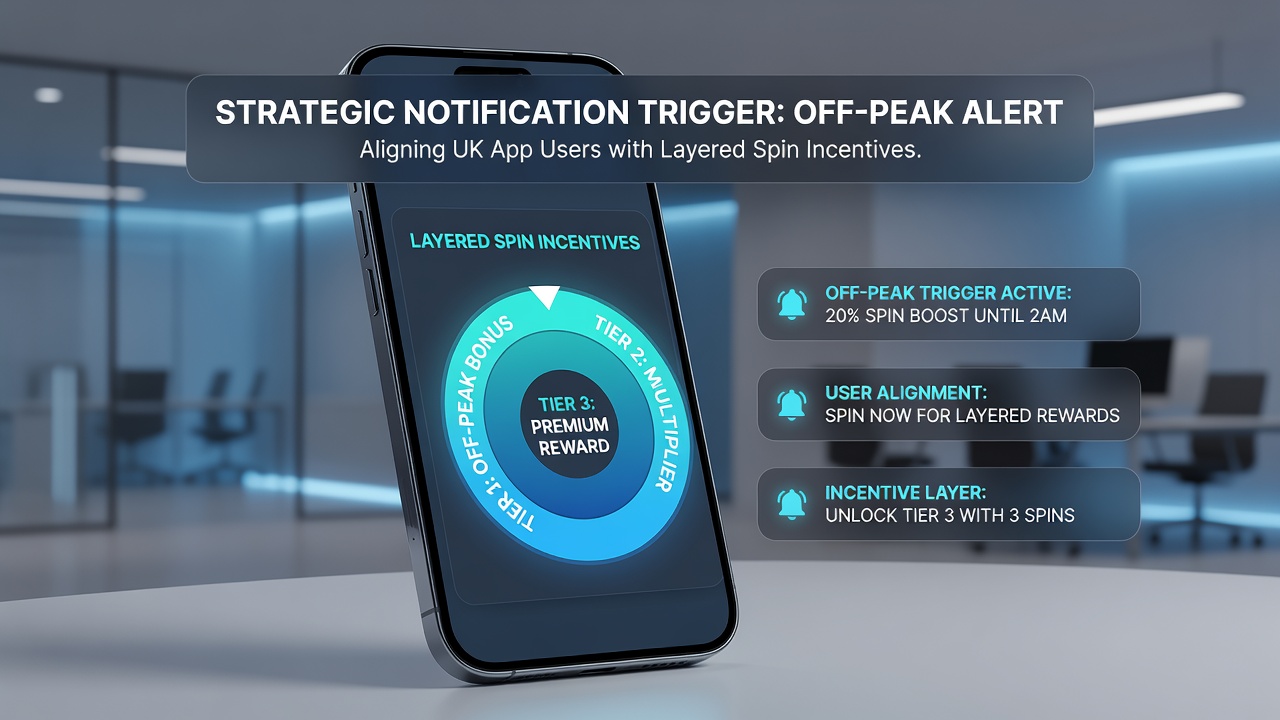
Applications often present these layers in sequence within the notification itself or upon app launch, using clear progression indicators that show remaining steps to the subsequent incentive tier. In June 2026, several UK platforms introduced updates that incorporated dynamic layer adjustments based on collective user uptake rates during the preceding off-peak periods, allowing the system to scale rewards in response to participation volume.
User Alignment and Behavioral Patterns
Alignment occurs when notifications reach users whose activity profiles match teh intended off-peak slot, resulting in higher conversion from alert to active session compared with generic broadcasts. Observers note that platforms refine these matches over time through iterative testing of message phrasing, delivery frequency, and incentive depth, creating feedback loops that improve precision.
Studies conducted by the National Opinion Research Center at the University of Chicago have examined how segmented digital prompts influence participation timing in gaming applications across multiple jurisdictions, revealing consistent patterns where tailored timing increases engagement density during designated windows. UK apps apply similar segmentation to maintain balanced server utilization while delivering incentives that scale with individual user trajectories.
Regulatory Context and Platform Adaptations
Platforms operating under frameworks established by bodies such as the Malta Gaming Authority implement these notification systems within boundaries that require transparent disclosure of incentive terms at the point of trigger. Compliance features include opt-out mechanisms and clear expiration details for each layered reward stage, ensuring users receive complete information before engaging.
Adaptations in 2026 have included enhanced consent flows that allow users to set preferences for off-peak alerts, thereby integrating user control directly into the trigger logic. This development supports sustained alignment between notification timing and individual availability without disrupting broader platform operations.
Conclusion
Strategic notification triggers in UK mobile applications function through data-informed timing and progressive incentive layers that activate specifically during off-peak windows, connecting users with structured spin opportunities that build incrementally. These systems draw on aggregated behavioral metrics and platform analytics to refine delivery, producing measurable shifts in engagement distribution as documented in research from multiple international sources. Continued refinements, including those observed entering June 2026, maintain focus on alignment precision while adhering to established disclosure standards across regulated markets.