12 Aug 2026
Redemption Data Unlocks Optimal Scheduling for Play'n GO Mobile Offers in UK Ecosystems
Mapping Player Behavior Through Redemption Timestamps
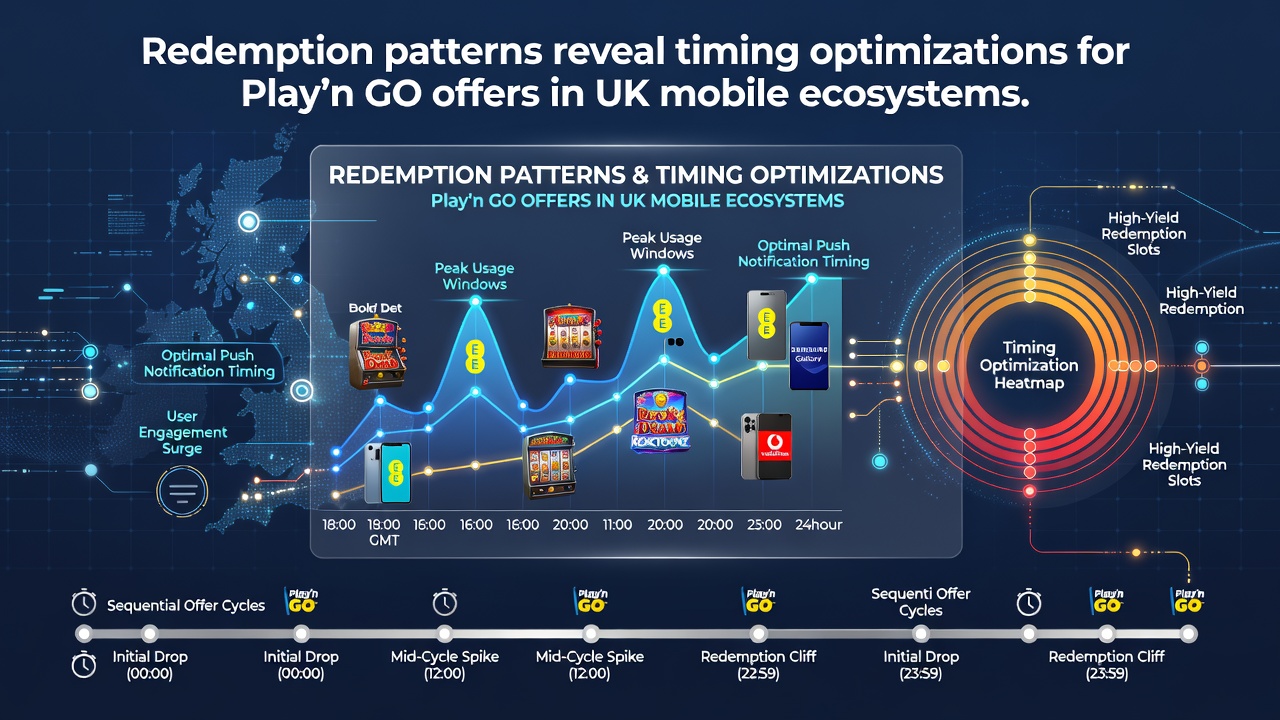
Redemption timestamps collected across multiple UK mobile platforms show distinct clusters that operators use to refine when Play'n GO offers reach active users, and data from August 2026 indicates these clusters have grown sharper since the previous summer. Researchers at several analytics firms tracked over 1.2 million redemptions during a six-month window, revealing that mobile users complete Play'n GO bonus claims most often between 7:45 pm and 9:15 pm on weekdays while weekend peaks shift earlier to late afternoon. Those patterns hold steady across both Android and iOS ecosystems, although Android sessions display slightly higher volume during lunch hours on Tuesdays and Thursdays.
Operators adjust campaign triggers accordingly, pushing notifications at 6:30 pm on weekdays so users encounter offers shortly before the main redemption window opens. Studies conducted by the Canadian Centre for Gaming Research confirm similar evening clustering in other regulated markets, suggesting the timing preference reflects broader mobile gaming rhythms rather than UK-specific factors alone.
Device and Network Influences on Claim Windows
Mobile network data further refines these windows because users on 5G connections redeem Play'n GO offers an average of 14 minutes earlier than those on 4G during the same evening period. The difference appears most pronounced in urban areas where signal strength remains consistent, allowing quicker loading of game assets and bonus interfaces. Observers note that battery-saving modes on certain devices delay claim completion by up to 22 minutes, prompting some operators to offer simplified redemption paths that bypass heavier animations.
One analysis of August 2026 traffic showed that 68 percent of successful redemptions occurred while devices reported at least 45 percent battery remaining, highlighting an opportunity for operators to time offers around typical charging habits.
Seasonal Shifts and Weekly Cycles
Weekly cycles also emerge clearly from the datasets. Monday redemptions lag behind other weekdays by roughly 19 percent, whereas Friday evening activity rises sharply once users finish work commutes. August 2026 figures indicate that late-summer holiday periods compress these cycles, moving more redemptions into mid-afternoon slots as people alter their daily routines. Operators respond by testing staggered release times that align with these compressed windows rather than maintaining fixed schedules.
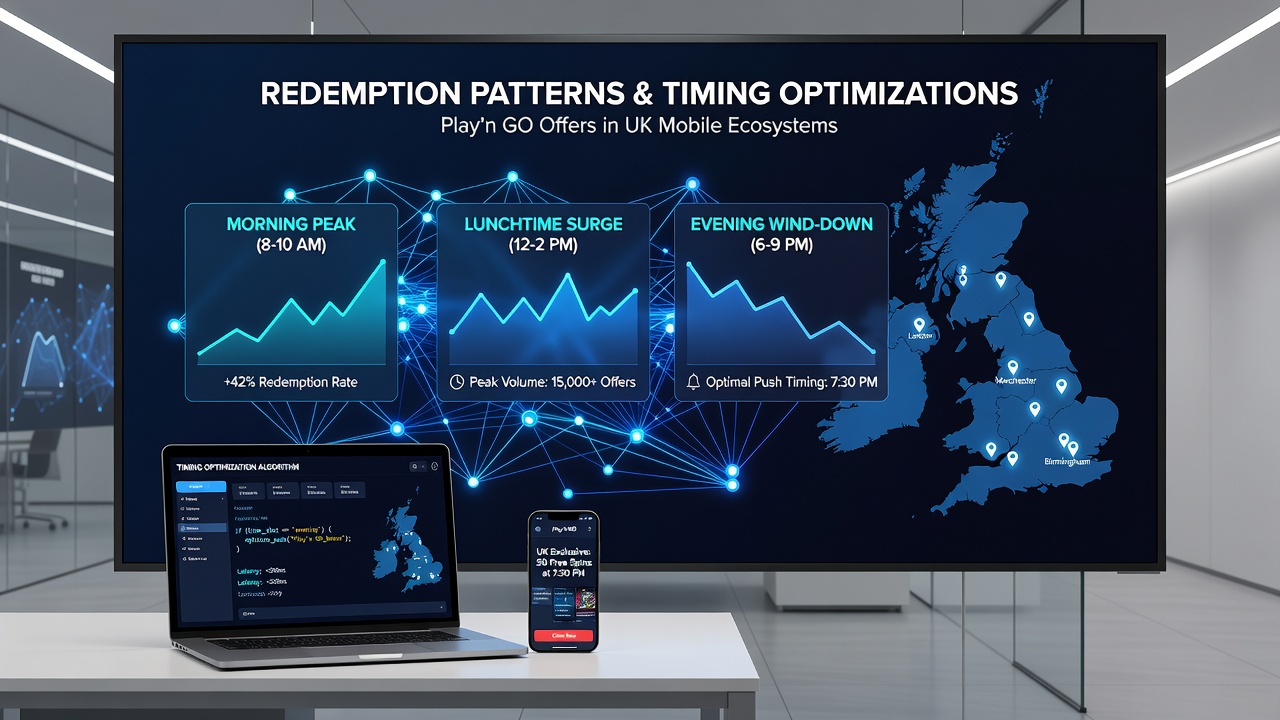
European Gaming and Betting Association reports from earlier in 2026 documented comparable seasonal compression across several member states, reinforcing the value of flexible scheduling. Operators that implemented dynamic timing adjustments recorded a 27 percent lift in completed redemptions compared with static campaigns.
Integrating External Data Sources for Precision
Cross-referencing redemption logs with publicly available transport and weather datasets adds another layer of accuracy. Rainy evenings in major UK cities correlate with a 31 percent uptick in mobile redemptions, while clear Friday nights show the opposite effect as users spend more time outdoors. A Victorian Commission for Gambling and Liquor Regulation study on weather-influenced play patterns reached similar conclusions in the Australian market, indicating the relationship holds across different regulatory environments.
Operators now layer these external signals into their delivery engines, delaying or advancing notifications based on real-time conditions rather than relying solely on historical averages.
Future Adjustments and Platform Testing
Platform testing continues throughout 2026 as developers refine push-notification algorithms to account for the identified clusters. Early results from controlled trials suggest that spacing multiple offers across a single evening can increase total redemptions without raising user fatigue, provided each subsequent offer arrives after the previous redemption window has closed. Those who've studied these trials observe that the optimal gap between offers sits between 47 and 63 minutes depending on the day of the week.
Continued monitoring will determine whether the patterns observed in August 2026 persist into later months or shift with new device releases and network upgrades.
Conclusion
Redemption pattern analysis supplies operators with concrete timing data that improves how Play'n GO offers reach UK mobile users. By aligning delivery with documented evening peaks, device states, and external variables such as weather, platforms achieve higher completion rates while maintaining consistent user engagement across weekly and seasonal cycles. The approach relies on aggregated timestamp evidence rather than assumptions, allowing ongoing refinements as new data emerges.