14 Aug 2026
Seasonal Timing Patterns Behind UK Mobile Perk Rollouts and Session Extensions
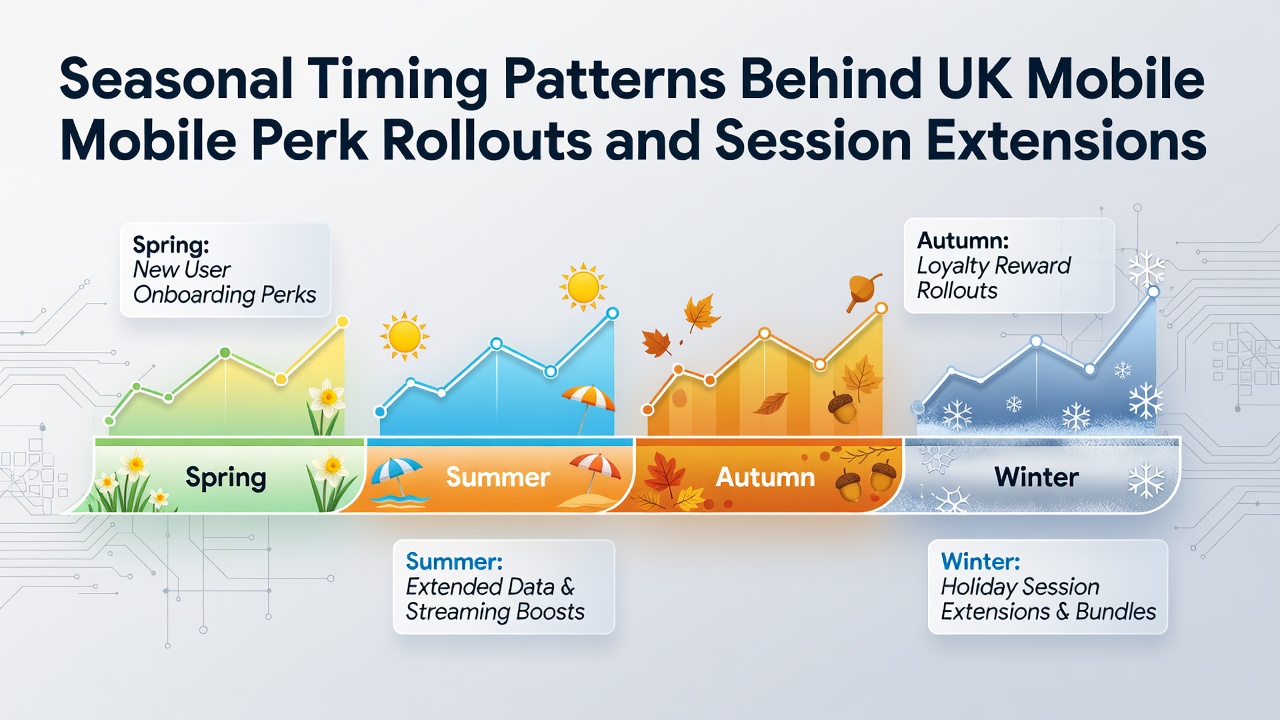
Seasonal timing patterns in UK mobile perk rollouts follow predictable cycles that align with weather shifts, holiday periods, and user behavior data collected over multiple years. Observers note that operators adjust bonus structures and session extension features based on historical trends, with spring months often seeing targeted reload offers designed to maintain engagement as daylight hours increase and outdoor activities compete for attention. These patterns emerge from aggregated analytics that track when users open apps and how long sessions last under varying promotional conditions.
Spring and Early Summer Adjustments
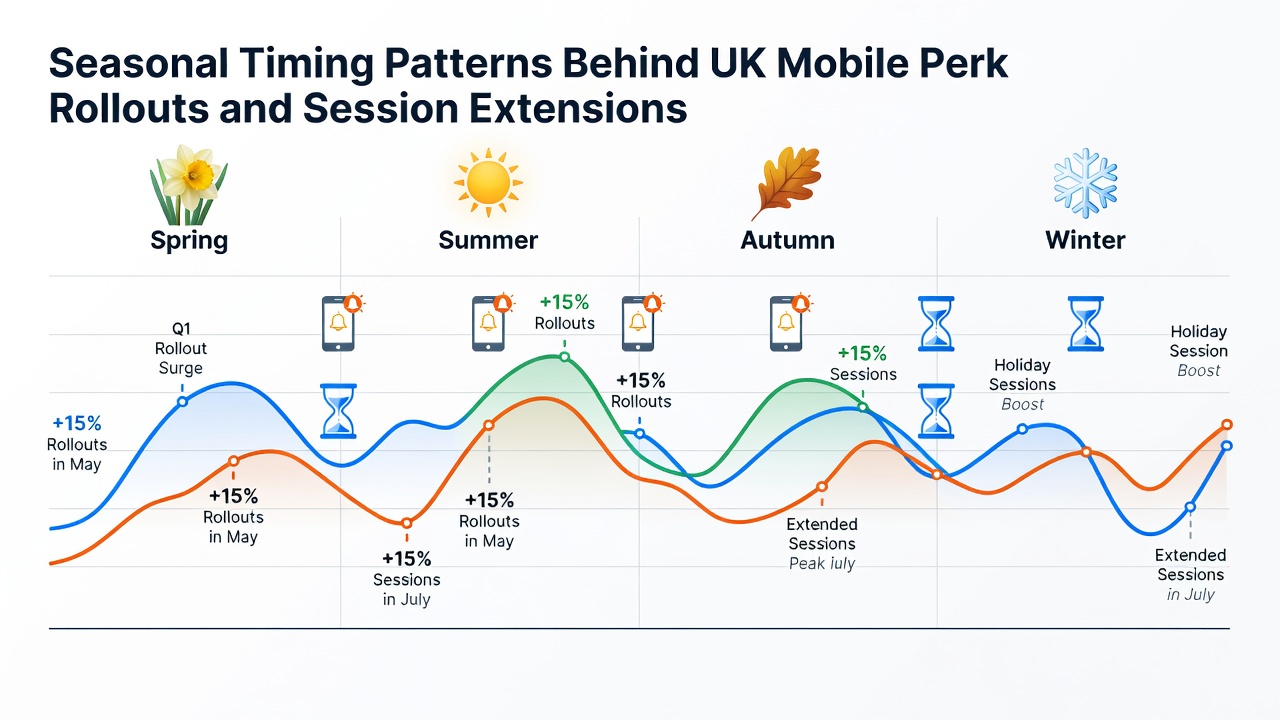
Research indicates that March through May typically features moderate perk activity focused on mobile-first incentives such as extended free spin windows and deposit match multipliers timed around Easter breaks and bank holidays. Data shows session lengths tend to stretch during these periods when operators introduce time-limited challenges that reward consecutive logins, encouraging users to return during commute hours or evening wind-downs. Those who monitor app metrics report that spring rollouts frequently incorporate location-based triggers, where urban users receive different offers than rural ones to account for varying network stability and usage contexts.
Peak Summer Patterns and Mobile Focus
June through August brings a noticeable uptick in mobile-optimized perks, with operators rolling out session extension tools like progressive multipliers that activate after certain play volumes during holiday travel seasons. As August 2026 approaches, industry figures reveal that previous summer cycles have shown increased emphasis on push notifications for quick-play bonuses that fit into fragmented daily schedules. Studies from the UNLV International Gaming Institute highlight how warm weather correlates with shorter but more frequent sessions, prompting companies to deploy features that extend play through seamless transitions between devices and quick re-entry mechanics.
Autumn and Pre-Winter Rollouts
September and October often mark transitions toward more substantial loyalty layer additions and leaderboard competitions that build anticipation for end-of-year events. Evidence suggests these months see higher deployment of cashback synergies paired with slot play, designed to recapture users returning from summer breaks. Session extension mechanics during this phase commonly include daily login streaks that accumulate rewards over weeks, capitalizing on the return to routine schedules after school holidays conclude.
Winter and Holiday Season Dynamics
November through February represents the most concentrated period for perk density, where operators layer multiple incentives including referral bonuses and tournament entries timed with Christmas, New Year, and winter sports events. Figures reveal that session durations extend notably during these months when mobile perks incorporate weather-adaptive elements, such as indoor-focused challenges that reward longer continuous play. Australian Gambling Research Centre reports on global gaming trends demonstrate similar winter spikes in engagement metrics across comparable markets, underscoring how seasonal affective patterns influence mobile usage in temperate regions like the UK.
Data-Driven Session Extension Techniques
Operators rely on granular tracking of peak activity windows to calibrate when session extension tools activate, whether through bonus rounds that trigger after specific spin counts or time-sensitive multipliers available only during identified high-traffic hours. Patterns indicate that evening and weekend rollouts consistently outperform weekday daytime efforts, leading to refined scheduling that prioritizes mobile push campaigns during commuter peaks and post-dinner periods. Those analyzing retention data find that combining seasonal themes with these mechanics produces measurable lifts in average session time without requiring constant new content creation.
Regional and Platform Variations
UK-specific trends show slight deviations from broader European patterns, with mobile perk timing often synchronized to local events like Premier League fixtures or school terms rather than uniform continental holidays. Platform analytics further differentiate between iOS and Android user cohorts, where one group may receive earlier access to certain extension features based on demographic response rates observed in prior seasons. This granular approach ensures that rollout calendars remain responsive to evolving usage habits while maintaining consistency across annual cycles.
Conclusion
Seasonal timing patterns for UK mobile perk rollouts and session extensions reflect a combination of historical performance data, behavioral analytics, and calendar-driven opportunities that operators refine each year. These cycles produce measurable shifts in engagement levels, with distinct strategies emerging across spring, summer, autumn, and winter periods to align incentives with user availability and preferences. Continued monitoring of these patterns supports more precise deployment of features that sustain longer sessions across mobile platforms throughout the calendar year.