22 May 2026
Smartphone Layouts and Their Influence on Prize Retrieval for Regulated Slot Players in Britain
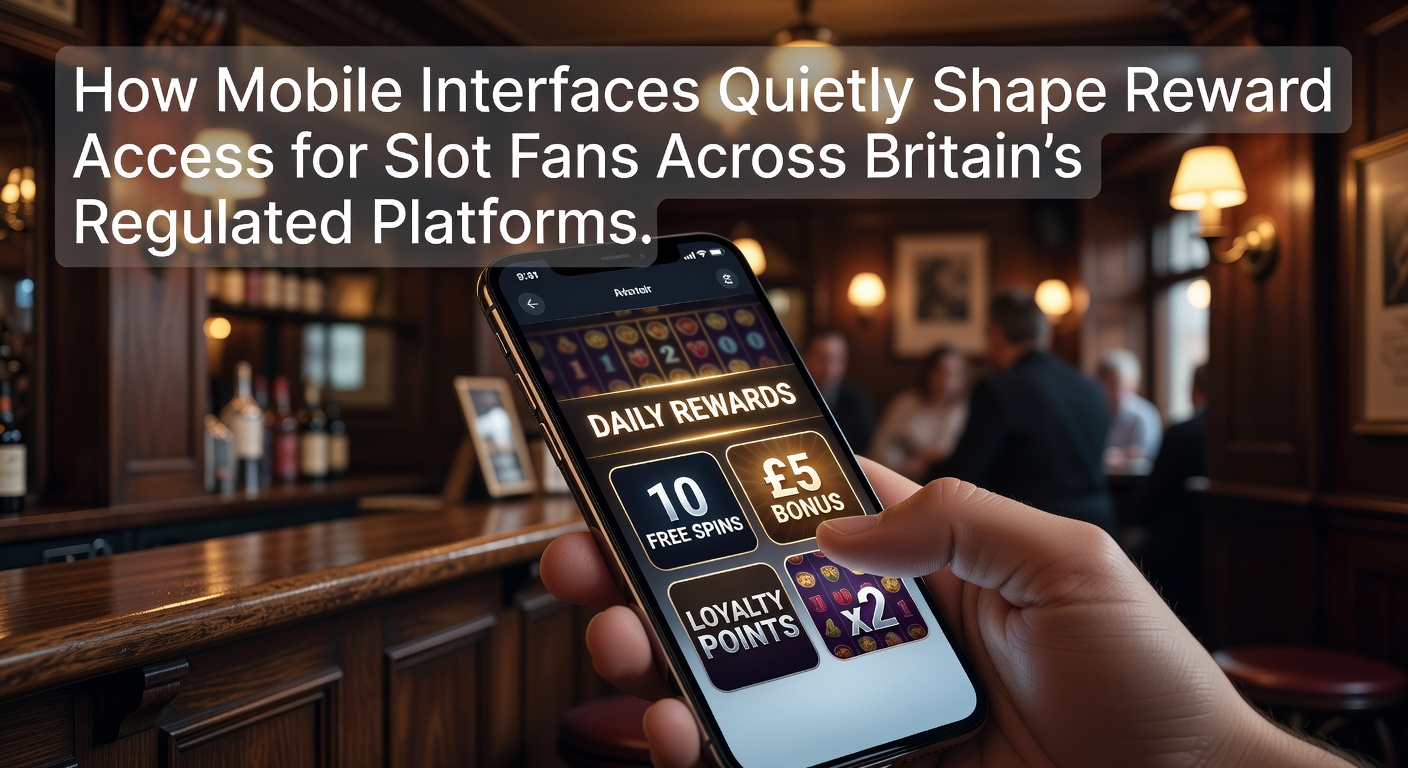
Smartphone layouts guide how slot enthusiasts locate and claim rewards on Britain’s regulated platforms because compact screens and touch-based navigation direct attention toward certain buttons and menus while others remain less visible. Data from industry reports shows that over 78 percent of online slot activity now occurs through mobile devices, and this shift has prompted platforms to refine their designs so that reward pathways fit naturally into scrolling flows and gesture controls.
Interface Features That Direct Attention to Rewards
Observers note that swipe gestures and persistent bottom navigation bars often place reward claim options within easy reach, whereas deeper menu layers hide more complex offers. Those who study user behaviour find that prominent icons for daily login bonuses or streak multipliers appear early in the session because placement algorithms prioritise elements that increase engagement time. Research indicates that colour contrasts and animation cues further highlight these features, and players tend to interact with them before exploring other sections of the app.
Platforms adjust font sizes and button spacing to accommodate different hand positions, yet this adjustment also affects how quickly users reach free spin notifications or cashback summaries. Experts have observed that when reward tiles occupy the upper third of the screen upon login, completion rates for those offers rise measurably compared with placements further down the feed.
Navigation Patterns Observed Across Regulated Sites
Players frequently move through layered screens where a single tap opens a rewards hub, and this hub aggregates multiple promotions into one view. The structure reduces the number of separate taps needed, which data shows improves retention during short sessions typical of mobile use. In May 2026 several platforms introduced condensed reward calendars that display upcoming offers alongside current balances, allowing users to plan participation without leaving the main game screen.
Gesture shortcuts such as long-press actions now reveal hidden bonus details, and these shortcuts appear most often on devices running recent operating systems. Analysts tracking session logs report that players who discover these shortcuts early tend to claim more layered incentives within the same visit, whereas those who rely solely on visible menus explore fewer offers overall.
Impact on Different Player Groups
Newcomers often encounter simplified reward dashboards that highlight entry-level free spins and low-wager promotions, while experienced users see personalised leaderboards and loyalty tiers displayed in the same space. This segmentation occurs through interface logic that recognises previous activity and rearranges elements accordingly. Figures reveal that returning players complete more multi-step rewards when those steps appear in a single scrollable panel rather than across separate tabs.
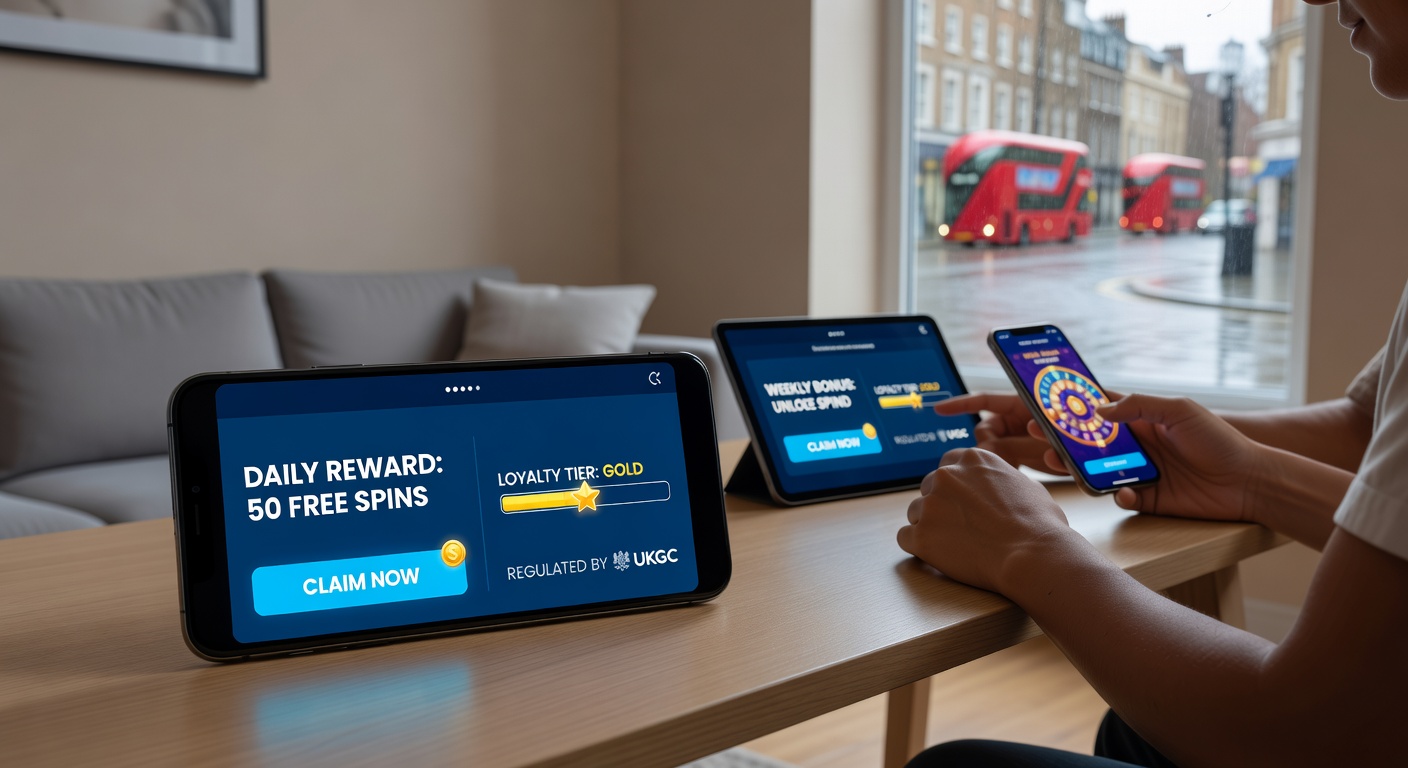
Accessibility settings also influence reward visibility because larger text modes and high-contrast themes can reposition or enlarge certain buttons. Those adjustments sometimes push secondary offers partially off-screen until the user scrolls, creating a different discovery sequence for players who enable these features.
Connection Between Mobile Design and Reward Timing
Push notifications tied to time-limited offers arrive with distinct visual styles that match the platform’s overall layout, and this consistency helps users recognise legitimate promotions quickly. Studies from the Australian Gambling Research Centre indicate that notification timing combined with prominent in-app banners increases the likelihood of same-day claim actions. Platforms therefore schedule these alerts during peak mobile usage windows, which data shows occur most often in the evening and during commuting hours.
Session length metrics further demonstrate that interfaces allowing reward claims without exiting the current game maintain longer play periods. When a player can accept a reload bonus through an overlay rather than navigating away, interruption rates drop and subsequent engagement with additional offers rises.
Technical Adjustments Supporting Broader Access
Progressive web app versions of regulated platforms now load reward sections faster on mid-range devices, and this improvement addresses performance gaps that previously limited access for some users. Caching strategies keep recent offers available offline for a short period, which proves useful when network conditions fluctuate. Developers continue to test variations in menu depth because shallower hierarchies correlate with higher completion rates for multi-stage promotions according to internal analytics shared at industry conferences.
Security features such as biometric confirmation sit alongside reward flows without adding extra steps in most cases, yet the placement of these prompts still affects perceived friction. When confirmation occurs after the reward selection rather than before, users report smoother experiences in surveys conducted by independent research groups.
Conclusion
Mobile interface choices continue to determine how readily slot fans on Britain’s regulated platforms locate and activate available rewards, because layout decisions shape visibility, timing, and ease of interaction. As design patterns evolve through 2026 and beyond, platforms refine these elements to align with observed player movement across screens and devices. The result remains a quiet but measurable influence on reward access that stems directly from the way smartphone layouts organise information and guide user attention.