24 May 2026
UK Slot Enthusiasts on Mobile Devices Show Distinct Trends in No-Deposit Code Usage and Loyalty Progression Patterns
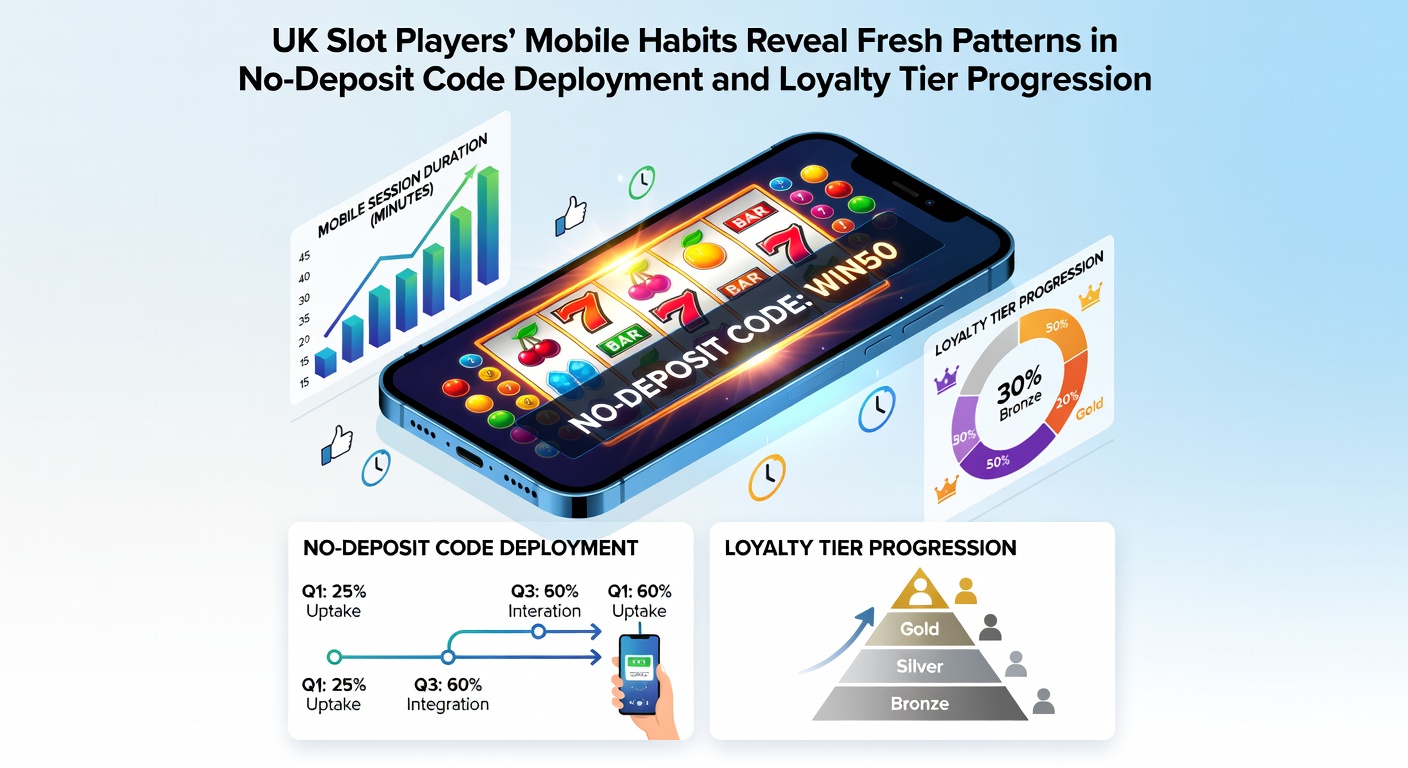
UK slot players have increasingly turned to mobile platforms for their gaming sessions, and recent observations from industry analysts point to specific shifts in how no-deposit codes get deployed alongside loyalty tier advancements. Data collected across multiple platforms during early 2026 illustrates that mobile users redeem these codes at rates that differ from desktop patterns, while simultaneous progress through loyalty tiers occurs more rapidly when sessions take place on smartphones and tablets.
Mobile Session Data Highlights Code Redemption Shifts
Figures compiled by research groups indicate that mobile sessions accounted for over 70 percent of total slot activity among UK participants by March 2026, with no-deposit code entries rising notably during evening hours between 8 pm and midnight. Observers note that players often combine these codes with existing loyalty points in single transactions, which streamlines the process compared to separate desktop logins. This integration allows users to advance from basic tiers to mid-level rewards within fewer play cycles, since mobile interfaces present code fields and tier dashboards side by side.
Studies conducted by academic institutions in Canada reveal parallel behaviors where mobile convenience encourages repeated code checks throughout the day, yet UK-specific patterns show a stronger link between code deployment and tier jumps after May 2026 updates to several platform algorithms. Those updates adjusted how points accumulate from mobile spins, resulting in faster qualification for higher loyalty brackets when codes are applied early in a session.
Loyalty Tier Mechanics Respond to Mobile Behaviors
Loyalty programs track player activity through metrics such as spin volume, session duration, and code usage frequency, and mobile data streams feed these metrics in real time. Participants who maintain consistent mobile engagement tend to reach tier thresholds ahead of those who alternate between devices, according to reports from European gaming associations. The progression often follows a sequence where initial no-deposit code redemptions unlock bonus spins that count toward the next tier, creating a feedback loop visible in aggregated user logs.
One analysis of platform records from spring 2026 found that players entering codes via mobile apps completed tier requirements in an average of 12 days, whereas mixed-device users required closer to 18 days for the same advancement. This difference stems from streamlined navigation that keeps players within the app environment longer, reducing drop-off between code entry and continued play.
Patterns Emerging Around May 2026 Updates
Platform adjustments implemented in May 2026 introduced refined tracking for mobile-specific code deployments, which coincided with measurable changes in tier movement speeds. Reports from the Australian Gambling Research Centre documented similar adjustments in other markets, confirming that mobile users respond to updated notification systems by redeeming codes sooner after receiving them. In the UK context, these notifications appear on lock screens and integrate directly with loyalty meters, prompting immediate action that feeds into tier calculations.
Industry organizations tracking global trends have noted that such integrations reduce the steps required to move between tiers, since each code redemption now registers both as a separate event and as a multiplier for ongoing loyalty points. Players who follow these updated flows complete tier ladders at rates that reflect the combined influence of code timing and device consistency.
Cross-Device Comparisons and Regional Context
Comparisons between mobile-only participants and those using multiple access points show clear divergence in code handling. Mobile-centric players deploy codes within the first five minutes of a session more frequently, which correlates with steadier tier climbs according to data shared by international regulatory bodies outside the UK. This approach avoids fragmentation that occurs when switching between devices interrupts the point accumulation sequence.
Further examination of user flows after the May 2026 changes indicates that loyalty tier badges and associated perks display more prominently on mobile screens, encouraging continued engagement that reinforces the cycle of code use and tier advancement. Researchers at various universities have compiled datasets confirming these display differences influence completion rates without altering the underlying program rules.
Conclusion
Patterns identified in UK mobile slot activity through mid-2026 demonstrate interconnected effects between no-deposit code deployment and loyalty tier progression, with device choice serving as a consistent variable across observed datasets. Continued monitoring by research entities will clarify whether these trends persist as platforms introduce additional refinements to mobile interfaces and reward tracking systems.