19 Jul 2026
Volatility Meets Incentives: How UK Casino Reward Systems Adapt to Varying Reel Dynamics

UK casino platforms have refined their bonus structures to align with the distinct payout patterns found in high-volatility and low-volatility slot titles, creating reward systems that respond directly to reel behavior rather than applying uniform terms across all games. Data from industry reports show that operators adjust wagering multipliers, free-spin allocations, and cashback percentages based on the frequency and size of wins typical to each volatility tier.
Reel Dynamics and Their Impact on Player Sessions
High-volatility reels produce infrequent but substantial payouts, whereas low-volatility options deliver smaller wins at steadier intervals. Operators track these patterns through internal metrics that record average return-to-player rates alongside hit frequency, allowing them to calibrate incentives accordingly. Research published by the Canadian Centre on Substance Use and Addiction indicates that players engaging with high-volatility titles often extend sessions when bonus conditions match the game's risk profile, prompting UK sites to introduce tiered wagering requirements that scale with volatility ratings.
Low-volatility games, by contrast, generate consistent small returns that support prolonged play without rapid bankroll depletion. Reward programs at several platforms now feature reduced playthrough thresholds for these titles, reflecting the steadier accumulation of wins and the lower likelihood of large single payouts that would otherwise trigger bonus completion faster.
Adaptations in Bonus Structures for High-Volatility Titles
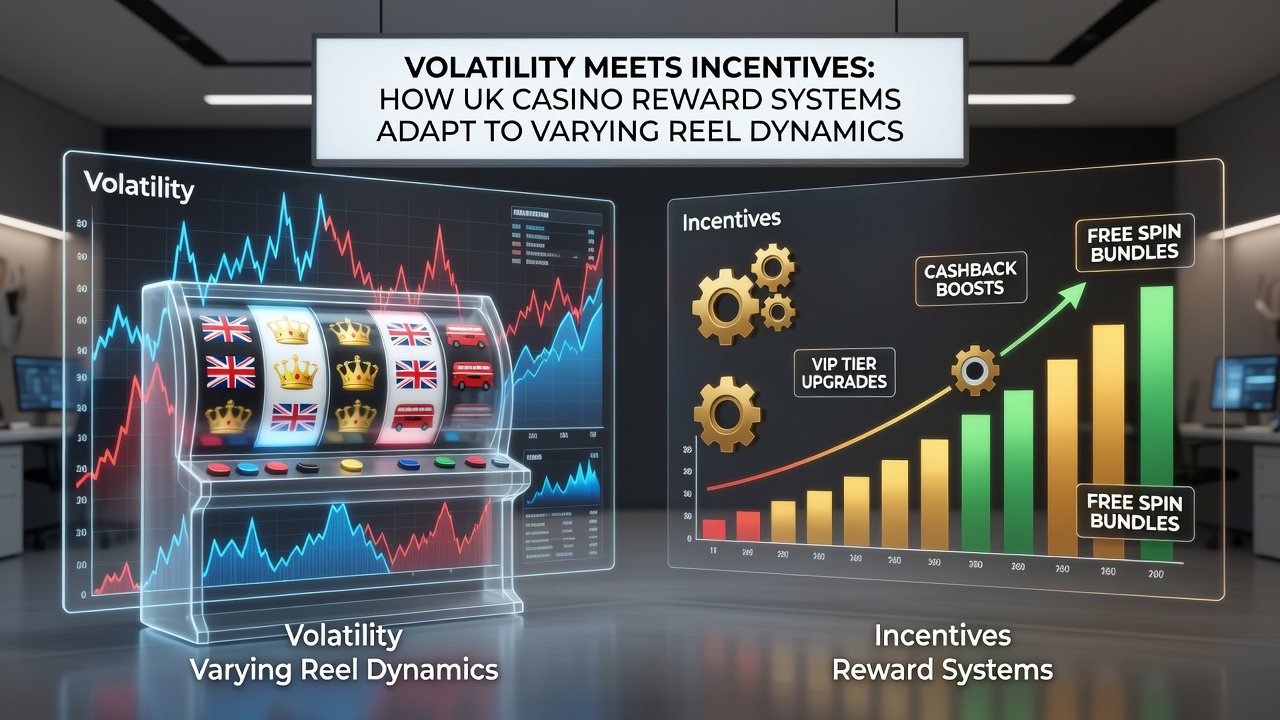
Many UK operators increase the value of welcome packages or reload offers when they promote high-volatility slots, yet they simultaneously raise wagering multipliers to balance the potential for larger wins. Free-spin bundles attached to these games frequently carry higher per-spin values but impose stricter maximum-win caps during bonus rounds, a practice documented across multiple casino analytics reports in 2025. This approach ensures that promotional costs remain predictable while still attracting players drawn to elevated risk-reward scenarios.
Cashback schemes have also evolved. Participants in high-volatility focused loyalty tiers receive percentage returns calculated on net losses over weekly periods, with rates that adjust upward during promotional windows tied to specific game launches. Figures from the Australian Gambling Research Centre reveal similar loss-recovery mechanisms in other regulated markets, where operators correlate cashback levels with volatility data to maintain sustainable margins.
Low-Volatility Incentives and Retention Strategies
Platforms targeting steady engagement often bundle low-volatility slots with deposit-match bonuses that feature shorter completion windows. These incentives encourage repeated smaller deposits rather than single large ones, aligning with the incremental win patterns of the games themselves. Observers note that loyalty point accrual accelerates on low-volatility titles, allowing players to unlock additional perks such as tournament entries or personalized reload credits more rapidly than they would on high-volatility counterparts.
July 2026 saw several operators introduce volatility-specific leaderboards where points accumulate faster on low-volatility games during designated periods. The design reduces volatility clustering among top performers and distributes rewards across a broader player base, a tactic supported by session-length data collected from mobile and desktop interfaces alike.
Technical Implementation and Regulatory Context
Backend systems integrate real-time volatility scores supplied by game providers, automatically applying appropriate bonus rules at the point of offer activation. This automation minimizes manual oversight while ensuring compliance with advertising standards that require clear disclosure of terms. Industry associations have published guidelines encouraging transparent labeling of volatility categories within promotional materials, enabling players to match incentives with preferred play styles.
Cross-platform tracking further refines these adaptations. Operators aggregate data across desktop, mobile, and tablet sessions to identify which volatility tiers generate the highest engagement under specific reward conditions. Adjustments made in response to these insights include shifting free-spin values seasonally and modifying cashback caps to reflect observed play patterns.
Conclusion
UK casino reward systems continue to evolve through direct integration of volatility metrics into bonus design, producing differentiated incentive structures that reflect the mechanical realities of individual slot titles. These adaptations maintain operational balance while responding to measurable differences in payout frequency and session dynamics across the market.